Hood versus open grill in Australian wind
A hood is a lid that turns a grate into a small oven. An open grill is a fire you stand over. Wind decides which one still cooks in an Australian backyard.
Mina Rahman, Technique editor · 12 May 2026 · 7 min read · 1,550 words
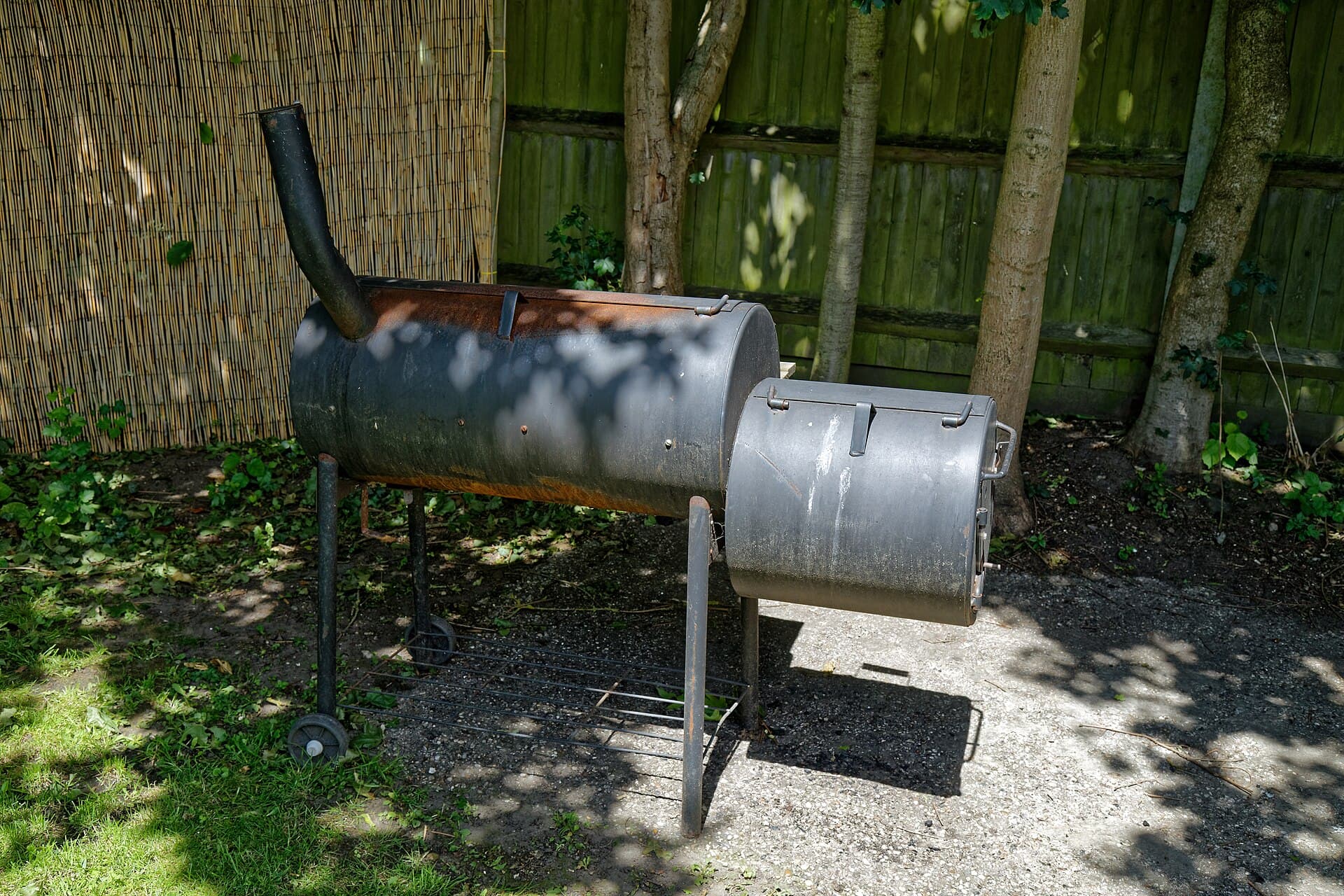
Photo: Beer-garden barbecue grill by Acabashi. CC BY-SA 4.0. Source: Wikimedia Commons. See image credits.

Wind is the unlisted ingredient in most Australian barbecues. A southerly off the water, a westerly across a western-Sydney slab, a sea breeze that arrives at five o’clock — they all strip heat off a grate and shove flame sideways.
A hood is the usual answer. It is a lid that closes over the fire so the grate becomes a small oven. An open grill is the older answer: a hotplate or a grate you stand over, turning food because the air will not do it for you.
Neither is morally superior. They are different tools. The wrong one on a windy pad makes you chase dinner with tongs for an hour. The right one disappears into the cook.
If you are still buying the machine, the class decision sits in how to choose a barbecue grill in Australia. This page is what happens after the lid is, or is not, there.
What a hood is doing
Close the lid and you trap hot air. The food cooks from the grate and from the box. That is how a four-burner trolley roasts a chicken, how a Q-class portable finishes a small bird, and how a kettle bakes as well as it sears.
The hood also shields the fire. Burners stay lit. Charcoal burns through the vents instead of through a gale. Fat still drips. It is less likely to turn into a sideways flare that paints the fence.
A hood is only as good as the seal and the steel. A thin lid on a budget trolley leaks. A warped lid on a kettle that has been left in the wet leaks. You will see it in the time it takes to hold 180 °C on a July evening in Hobart. Winter barbecue in southern Australia is mostly a hood problem.
Lid thermometers read the lid. Trust a probe in the meat and, if you are fussy, a probe at the grate. Think in Celsius ranges. Poultry through 74 °C in the thigh. A roast holding 180–200 °C in the box. A reverse-sear steak that spends its first life on the cool side with the lid down.
Every time you lift the hood you donate the hot air to the street. Look less. Turn on a schedule.
What an open grill is doing
An open grill is a direct conversation with the fire. You see the flame. You move the food. You cook snags, onions, prawns, and a steak you want to watch.
In still air it is a pleasure. In wind it is a fight. The side of the grate that faces the breeze runs cool. The other side runs hot. Fat ignites and the flame travels. One sausage is black, one is raw, and the cook is standing in smoke.
Open built-in hotplates — the pub and beer-garden pattern, the backyard plate next to a sink — are designed for this dance. You keep a cooler zone by turning burners down, not by closing a lid that does not exist. You work in batches. You accept that roasting is not the job.
A charcoal brazier without a lid is the most wind-sensitive of the lot. The coals go pale on one face and white-hot on the other. If you own a kettle, put the lid on. If you own a brazier, site it in a courtyard, not on a cliff.
The offset in the hero photograph is a hooded machine with a firebox. It looks open-minded. It is not an open grill. The chamber is a long lid. The firebox is the part the wind will bully. Shelter that box. The hardware note is in kamado, kettle and offset smokers.
Wind on an Australian pad
Stand where you plan to cook at the hour you actually cook. Morning still air is a liar. The afternoon sea breeze is the test.
A solid wall behind a trolley can bounce heat back and knock a breeze up and over. A lattice that aims the wind at the burners is decoration. A sail cloth over the grill is a fire. Leave clearance to fences and eaves.
Turn a kettle so the bottom vent is not a scoop. Turn a trolley so the open hood, when you must lift it, does not face the gale. On a portable, sit the bottle on the ground and the grill as low as the stand allows. A high table on a deck is a kite.
Coastal salt rides the same wind. It pits lids and seizes hood hinges. Rinse. Dry. Cover. The care is the same unfashionable work as cleaning a gas barbecue.
In a heatwave the hood becomes an oven you may not want to stand next to. Cook earlier, cook less, or use the kitchen. Cooking through an Australian heatwave is a timing essay. Wind on those days can still be a hot northerly that dries the grate and the cook.
Bushfire weather is a different wind. If the fire service has banned the fire, the hood will not make it legal. Bushfire-season barbecue safety wins.
Two-zone cooking with and without a lid
A hood makes indirect heat easy. Burners on one side, food on the other, lid down. Charcoal banked to one side, same idea. That is how you finish a thick steak, how you hold a tray of vegetables, and how you stop a flare-up from owning the cook.
An open grill can still have zones. Turn two burners off. Push the coals over. The air above the empty zone is not an oven. It is a slightly less hostile patch of weather. Food there will stay warmer than on a plate, and it will not roast through the way it would under a lid.
Improvised lids — a large inverted roasting tray, a spare kettle lid on a strange body — work in a pinch. They also slide off in wind and they drip condensation. If you find yourself improvising every Saturday, you bought the wrong class. A Q-class portable is a small hood you can afford. A Family Q is a larger one. A trolley is the household version.
Kamados are hoods with thermal mass. Once they are shut they ignore a breeze that would kill an open plate. The price is weight and a gasket. Charcoal technique is how to light and control a charcoal grill.
Gas on natural gas can feel softer. A hood matters more on town gas than on a fierce LPG jet. That is a footnote in natural gas versus LPG and a reason not to convert a lidless plate and expect the same sear.
When to choose which
Choose a hooded grill if you roast, if you cook in the south after Easter, if the pad is windy, if you want pizza stones and baked potatoes, or if you like to set a chicken and walk inside for the salad.
Choose an open grill if you cook in a sheltered courtyard, if the food is mostly snags, onions and a watched steak, if you want a teppanyaki plate for seafood, or if the by-law and the bench already decided for you.
Choose both if you can. A trolley with a hood and a small open plate, or a kettle plus a gas hotplate, covers a year of Australian weather. Many households already own this pairing and think they are being indecisive. They are being practical.
Balconies complicate the choice. Flame may be banned. A hood does not change a by-law. Read balcony and apartment barbecue strata rules. An electric plate with a lid is a hooded grill in spirit and a different appliance in law.
Built-ins need the hood travel drawn into the stone. An open built-in plate needs a wind story at design time, not after the tiler has left. See built-in barbecue buying.
If you are still holding the lid open with your hip so you can see the fire, close it. The fire is still there.
A windy Saturday, in practice
Light with the lid down if the machine allows it. Preheat longer than you would in still air. Oil the food, not a lake on the grate. Salt early.
Sear with the lid up only as long as you need colour. Then lid down to finish. If the wind wins and the burners blow out, shut the gas, wait, relight. Do not lean in with a match while the knobs are open.
On charcoal, keep the chimney out of the breeze while it starts, then bank the coals and shut the kettle. Vents are your throttle, not the lid gap you make with a brick.
Rest the meat out of the wind. A tray on the side table in a gale is a cooling rack you did not ask for. Use a warm plate, a foil tent, or the inside of the house.
Then clean the grease path. Wind makes flare-ups; grease makes them interesting. Empty the tray. The next southerly will arrive whether you have or not.
A hood will not make you a better cook by itself. It will give the fire a room to work in. In this country, that room is often the difference between dinner and a story about the sausage that got away.
Questions readers ask
- Do I need a hood to barbecue in Australia?
- You need one if you want to roast, if the site is windy, or if you cook in a southern winter. An open hotplate is still right for a sheltered weeknight of snags and onions.
- Why does my open grill burn one side of the sausage?
- Wind is pushing the flame and stripping heat off the grate. Turn the food more often, lower the fire, or put a lid on. A baking tray as an improvised hood is a poor but honest fix.
- Can I roast on an open grill?
- Not evenly. You can foil a potato and you can finish a chop off the direct fire, but a chicken needs a closed box that holds 180 °C around the bird.
- Does a hood stop flare-ups?
- It reduces the oxygen rush you get when wind hits dripping fat, and it lets you move food to an indirect zone. It does not make a dirty grease tray safe. Empty the tray.
Keep reading
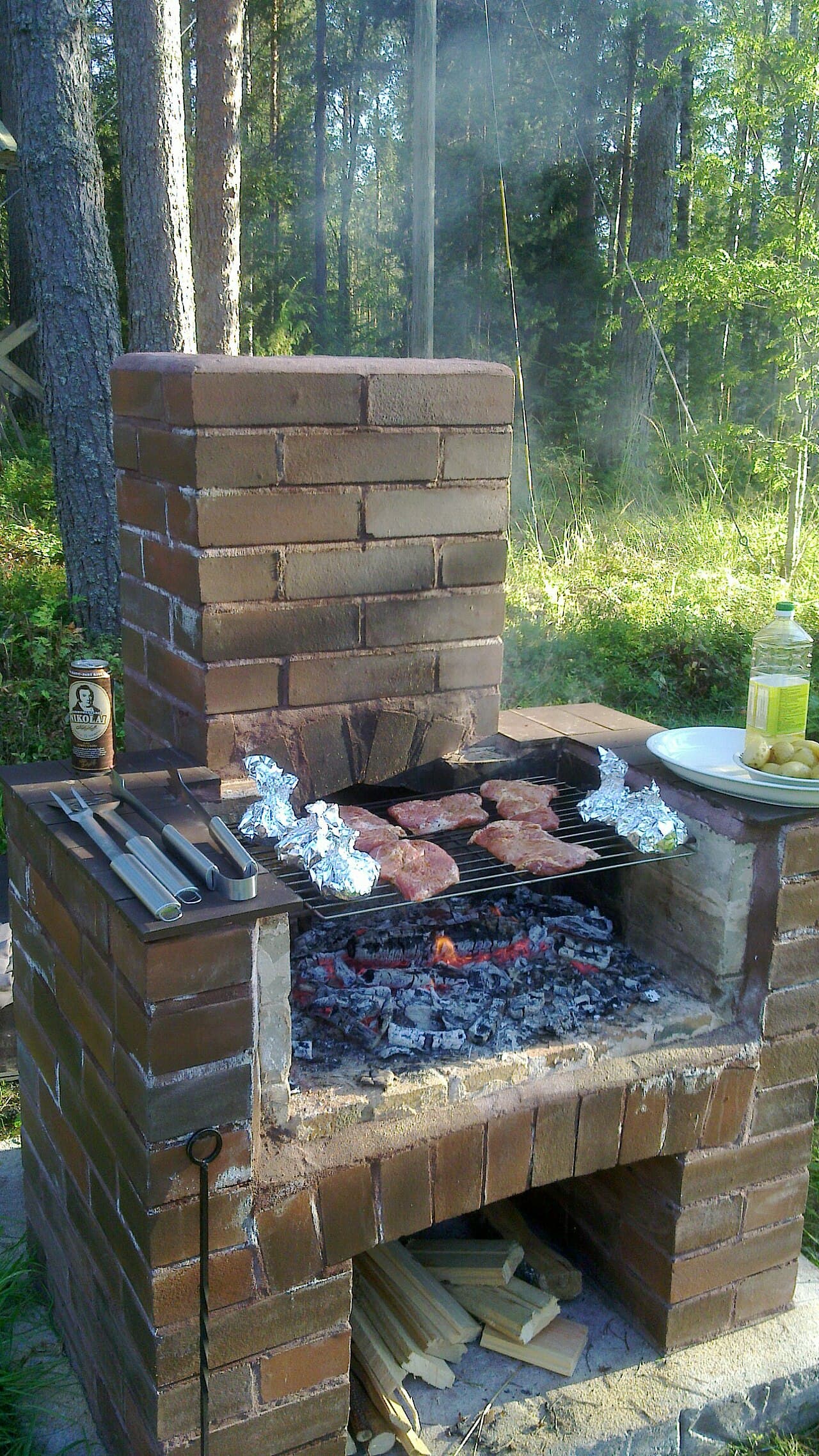
Australian smoking woods, ironbark, red gum and apple
How local hardwoods actually flavour food on a kettle, kamado or offset — ironbark, red gum, apple and the woods to leave in the pile.
Tom Bellear · 1 May 2026
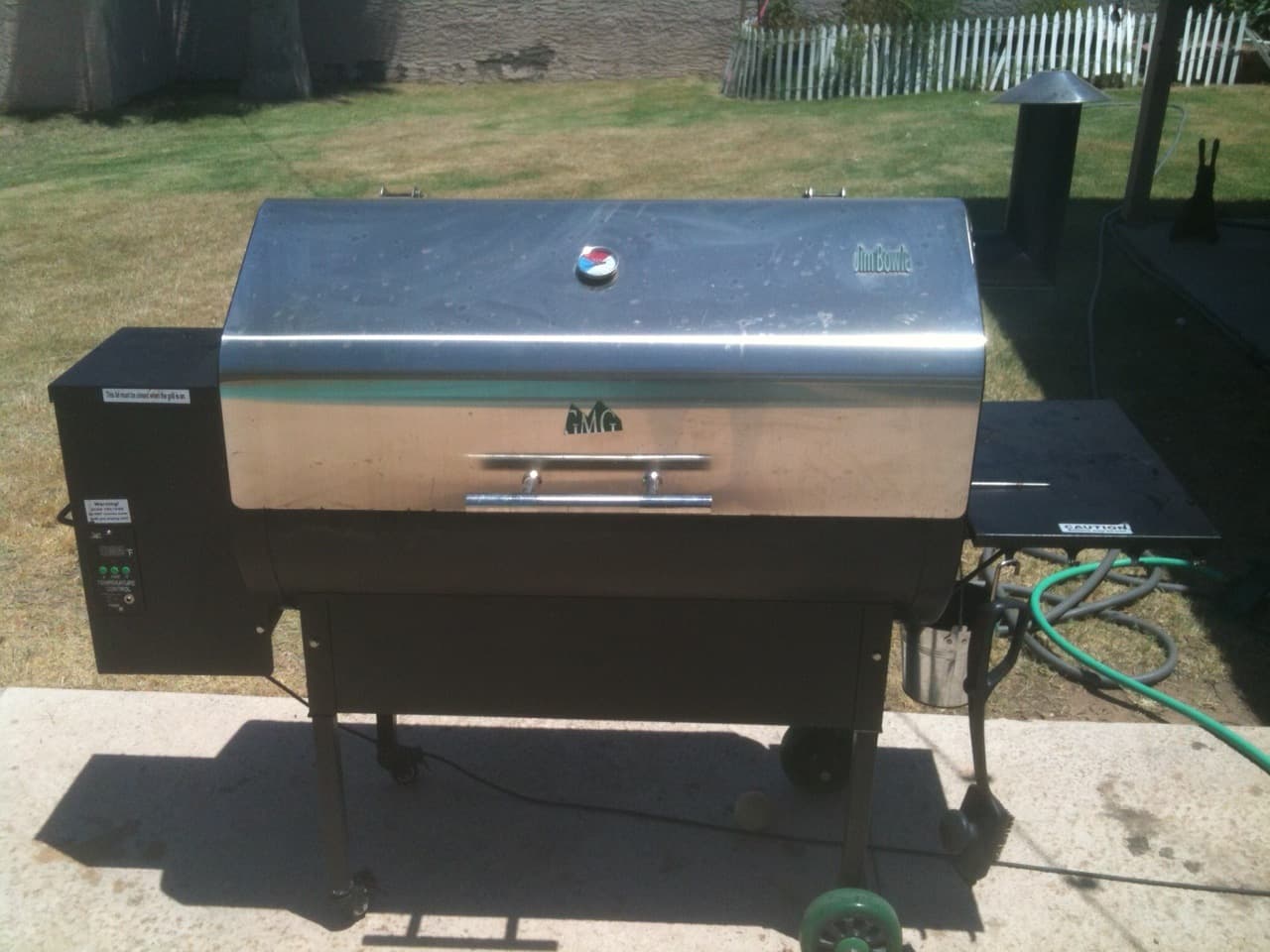
Pellet smokers in Australia
A pellet barbecue is an electric wood fire. What electricity, humidity, pellet supply and bushfire bans do to that idea in an Australian backyard.
Callum Hartley · 20 April 2026
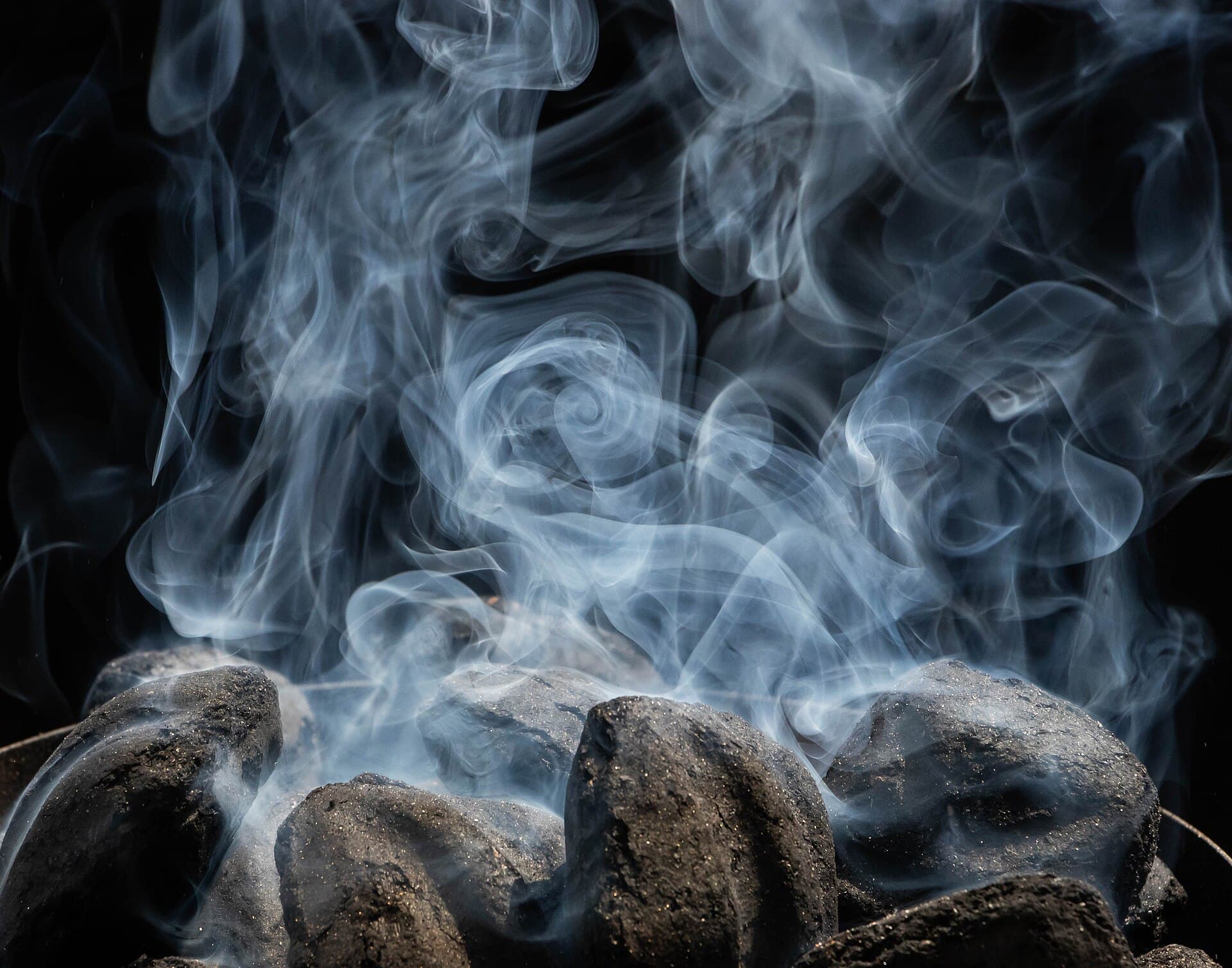
How to light and control a charcoal grill
Light heat beads or lump without a lake of fluid, then run vents and zones so an Australian kettle or kamado holds the heat you asked for.
Mina Rahman · 10 April 2026