Vegetarian barbecue halloumi, mushrooms and vegetables
Halloumi, mushrooms and firm vegetables can be the whole barbecue, not a sad side. Give them two zones, oil, salt and the same attention you would give a chop.
Jess Nguyen, Food editor · 6 April 2026 · 6 min read · 1,410 words
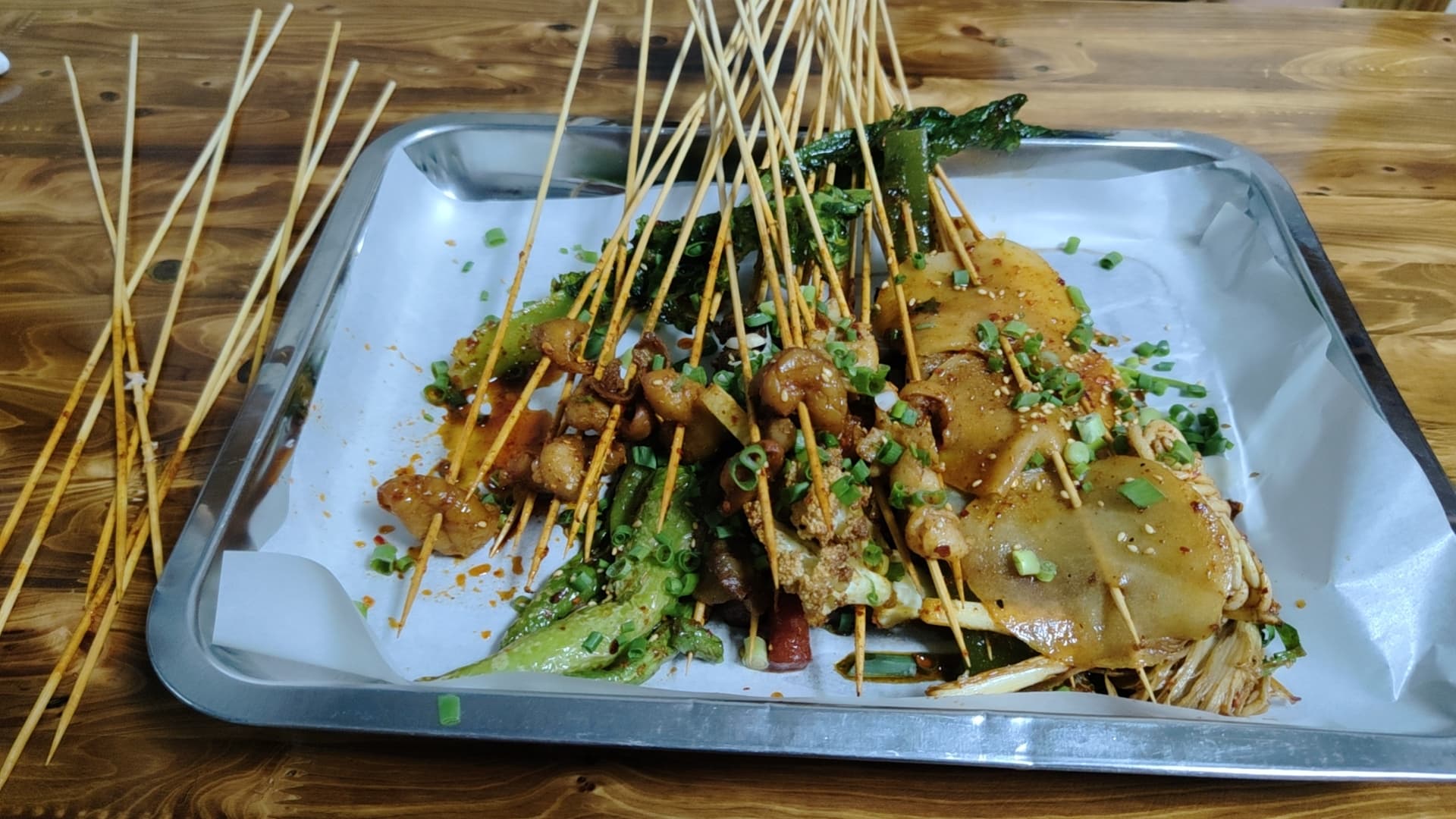
Photo: Grilled vegetables by Fumikas Sagisavas. CC0 1.0. Source: Wikimedia Commons. See image credits.

A vegetarian barbecue in an Australian backyard is not a tray of supermarket vegetable skewers left at the back of the grate while the steaks take the hot side. It is a menu. Halloumi, mushrooms and vegetables brown, take smoke, and feed people who do not eat meat without making them assemble a dinner from sides.
The fire is the same fire. You still want direct and indirect heat. You still want a clean grate. You still rest the things that need resting — stuffed mushrooms, a slab of pumpkin — and you still serve the things that go rubbery if they wait. What changes is the clock. Most vegetables are done in minutes. A few want the hood.
This piece assumes you are cooking for vegetarians on purpose, whether or not there is lamb on the other side of the grate. If there is meat, keep a zone clean or use a tray. Nobody came for halloumi that tastes like last week’s snag fat.
Treating vegetables as the main
Buy as if you were buying protein. Enough volume, enough contrast, enough fat and salt. A pile of dry zucchini and one lemon is a side. Add halloumi, a tray of mushrooms, bread, a sauce and a grain or a slaw, and it is lunch.
Think in textures. Something squeaky (halloumi). Something meaty (field mushrooms, king oysters, eggplant). Something sweet (capsicum, red onion, corn). Something green that can take heat (broccolini, asparagus, spring onions). Something that can sit (a tomato salad, a chickpea bowl, grilled then cooled zucchini).
Cut for the grate you have. Thin strips fall through. Tiny cubes need a basket. Thick slabs need enough time that the centre is hot. Oil after you cut, so the cut faces are coated. Salt mushrooms early enough that they start to give up water, or salt them as they cook if you want them to stay plump — both work, they just give different results.
A marinade on vegetables is usually oil, acid and herbs, not a day-long soak. Eggplant will drink a cup of oil and still look dry. Brush, do not drown. Sugar on vegetables burns the way it burns on meat. Honey carrots over direct heat are a bitter idea.
Halloumi
Halloumi is the protein stand-in people actually want. Buy a block that feels firm. Cheap watery halloumi weeps and then sticks. Pat it dry. Slice about 1 cm thick. Oil it. You do not need much salt.
A hotplate is the forgiving surface. A clean grate is the prettier one. Either must be hot. Lay the slices down and leave them until they release and are brown in patches. Turn once. The inside should be warm and softened, not a molten puddle that escapes. Two to three minutes a side is common. Then they come off.
If halloumi sits, it tightens. Serve it as it is ready, or hold it briefly over the cool side with the hood up. A squeeze of lemon, chilli flakes, honey at the table — honey at the table, not on the grate — and herbs are enough. A stack of halloumi on a cold plate in the wind is how you get sad rubber.
Haloumi (the spelling on some packets) is the same job. Paneer does not behave the same way; it does not brown and squeak like this. Tofu is a different article’s worth of drying and pressing. If you are mixing them, do not assume one timing.
Keep halloumi away from a savage flare. Fat from the cheese itself is modest. Fat from the lamb next door is not. If you are running a mixed grill for a crowd, cook the halloumi on a tray or after a brush-down.
Mushrooms
Large field mushrooms or portobellos are the steak of this menu if you treat them as such. Remove the dirty stems if they are woody. Oil the caps. Salt. A little pepper and thyme. Garlic goes on late or in a butter you spoon over off the heat, because garlic burns.
Start cap-down on a moderate-hot grate so they take colour, then turn and finish. They will release juice. That juice can stay in the cap if you do not keep flipping. A stuffed mushroom — goat’s cheese, herbs, leftover crumbs — wants the cool side with the hood down so the filling heats before the edges blacken.
King oyster mushrooms slice into thick coins or lengthways “scallops” and brown beautifully on a plate. Button mushrooms need a basket or a tray or they roll into the fire. Enoki are too fine for most backyard grates.
Mushrooms are mostly water. If you crowd them they steam and go grey. Give them space. If you want them dark, be patient on the first side. A lid helps field mushrooms cook through without the underside scorching.
A mushroom does not need to hit a poultry temperature. It needs to be hot in the middle and browned outside. If you are stuffing with cheese, wait until the cheese has softened.
Firm vegetables and the basket
Zucchini: thick lengthways slices, oil, salt, direct heat, marks, off. They keep cooking. Slightly under is better than limp.
Eggplant: thicker slices or wedges, more oil than you think, moderate heat so the centre collapses before the outside carbonises. Salt ahead if you like them less bitter; many modern eggplants do not need it.
Capsicum: large slabs, skin-side down until blistered. You can peel or not. Pieces in a basket will char at the edges and stay raw in the middle if the fire is too fierce.
Red onion: wedges through the root so they hold, or thick rings. They want enough time to sweeten. Direct then indirect is useful.
Corn: in the husk on the cool side to steam, then husked and finished on the grate, or stripped and oiled from the start. Burnt silk is bitter. Pull it.
Pumpkin and sweet potato: too dense for a quick sear. Par-cook in the oven or microwave, or give them a real indirect cook until a probe slides in, then mark them. Raw pumpkin on a hot grate is a hard, pale wedge with a black edge.
Broccolini and asparagus: oil, salt, hot and fast. They go from bright to khaki. Pull them early. A basket stops the flower ends falling through.
Tomatoes: half them if they are firm, or leave them in a salad. Soft tomatoes collapse and then extinguish your fire.
Cut larger than your pride suggests. The grate is not a frying basket unless you brought one.
A grilling basket is worth owning if you cook this way often. Preheat it. Oil it. Do not overload it. A cold, crowded basket is a steamer.
Building a plate
Sauce is not cheating. A yoghurt and tahini sauce, a salsa verde, a chilli oil, a romesco you made that morning — one good sauce makes grilled vegetables taste like a restaurant and two make the table messy. Bread to wipe the plate is part of the meal.
Grain bowls are how leftovers become lunch: farro, rice, couscous, with the grilled vegetables chopped and a lemon. That can be planned. It does not have to be assembled over the fire.
Protein beyond halloumi: eggs in a skillet on the cool side, a can of chickpeas warmed with oil and spices in a tray, or a proper plant burger if you have one you already like. Do not invent a tofu method in front of guests for the first time on a windy night.
If the barbecue is shared with seafood or lamb, sequence it. Vegetables that can sit (capsicum, onion, cooled zucchini) can go first. Halloumi goes last, or onto plates as people walk up. Mushrooms in the middle. Bread last of all so it is still warm.
April is a kinder month than January for this menu. You can stand at the fire. Tomatoes may be fading depending on where you live. Pumpkins are coming in. Adjust the tray to the season rather than forcing a summer photograph. If you do cook it in a heatwave, the same rules as any other backyard meal apply: shade, cold storage, and a shorter time with food sitting out.
A vegetarian barbecue is successful when the grate was hot, the oil was thin, and nobody had to pretend the salad was enough. Use the cool side. Watch the halloumi. Serve it while it still makes a noise.
Questions readers ask
- How do I stop halloumi sticking and turning to rubber?
- Dry it, oil it, and use a hot clean grate or plate. Cook it quickly to colour, then take it off. Halloumi sitting on a low fire for ten minutes is how it goes squeaky and tough.
- Can I cook vegetables only on a gas hotplate?
- Yes. A hotplate is kind to sliced zucchini, onions and mushrooms. You lose smoke and bars, and you gain fewer losses through the grate. Use a cooler zone for things that are already soft.
- Do I need a grilling basket?
- It helps for chopped vegetables and broccolini ends. It is not required if you cut things large enough to sit on the bars — thick zucchini, capsicum slabs, whole mushrooms.
- What about tofu and plant burgers?
- Firm tofu wants a dry surface, a strong marinade and a tray or a well-oiled plate. Shop-bought plant burgers vary. Treat each one as its own product and do not assume it wants the same heat as a beef patty.
Keep reading
How to host a backyard barbecue for a crowd
Feeding a crowd on an Australian barbecue is a sequencing problem. Two zones, a short menu, cold drinks in the shade, and a plan for who eats when the first tray is ready.
Jess Nguyen · 16 April 2026
Seafood barbecue prawns, barramundi and bugs
Prawns, barramundi and bugs like a clean hot grate, a little oil and a short cook. Buy them cold, dry them, and take them off the fire as soon as they turn opaque.
Jess Nguyen · 22 January 2026
Australia Day lamb on the grill
Lamb chops for the impatient, a butterflied leg for the table, and salads that survive January. Light early, watch the fire bans, and do not cook through the worst of a heatwave.
Jess Nguyen · 12 January 2026