How to clean a gas barbecue
A gas barbecue that is not cleaned becomes a grease fire and a rust farm. The useful job is regular, not heroic, and it starts while the grill is still warm.
Tom Bellear, Outdoors editor · 4 June 2026 · 7 min read · 1,581 words
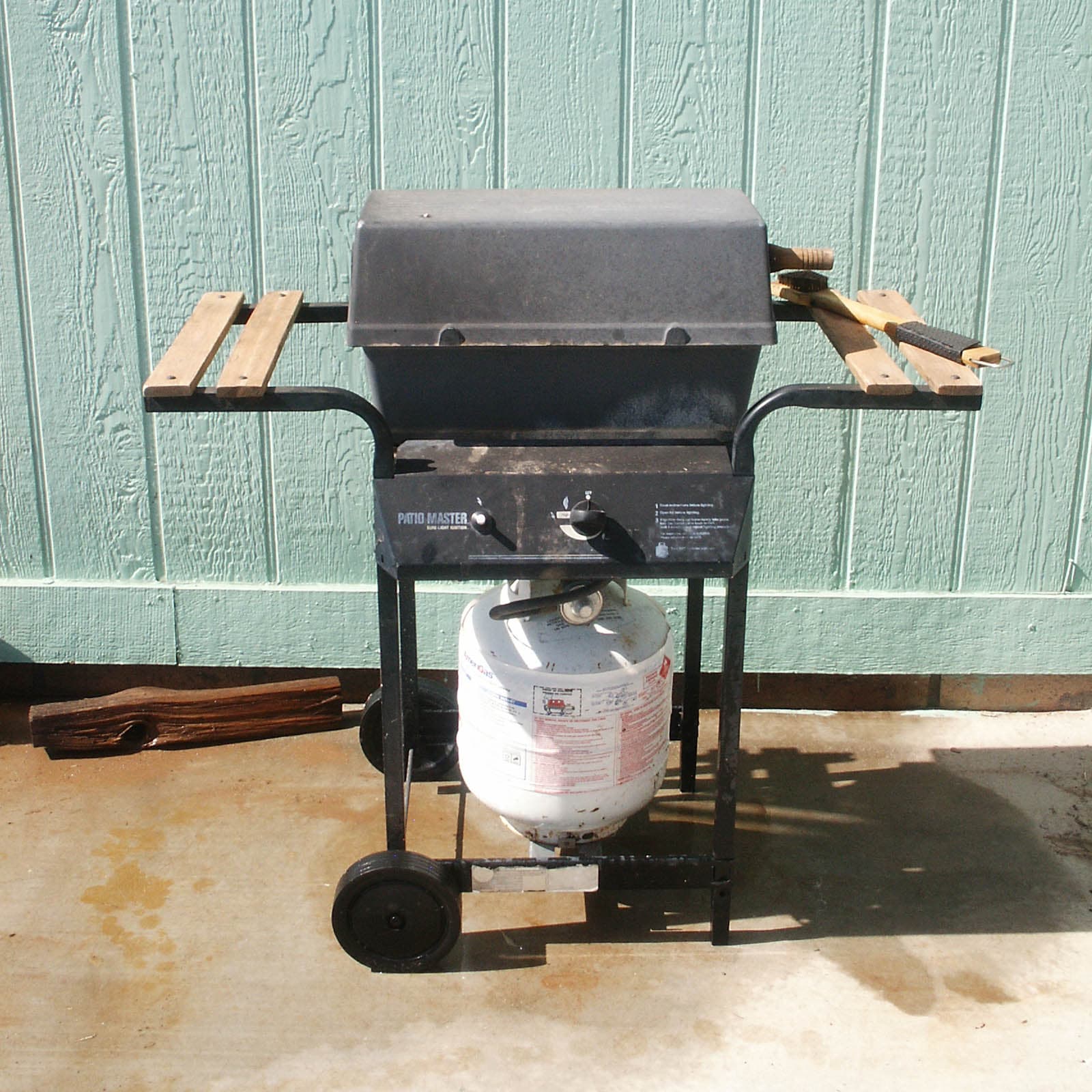
Photo: Propane gas barbecue by Owen Kelly. CC BY 3.0. Source: Wikimedia Commons. See image credits.

A gas barbecue is a simple machine that collects fat. Ignore that and you get uneven heat, rust, then fire. Cleaning is a short habit after every cook and a slightly longer one once a month. The brand on the badge — Weber, BeefEater, Matador, Jumbuck, Gasmate, Ziegler & Brown — changes the fasteners, not the logic.
Why a dirty gas barbecue fails
Fat that drips past the food has to go somewhere. On a clean grill it hits a hot tamer, vaporises, and the rest runs to the tray. On a dirty grill it pools, carbonises, and becomes a second fuel. That is how you get a flare that has nothing to do with the steak, and how you get a fire in the tray after you thought you had turned the knobs off.
Debris also blocks burner ports. A blocked port is a cold stripe on the grill and a place where gas can wander. Spiders and mud wasps like the dark of a venturi. A barbecue that has sat under a cover all winter can light with a cough because the air–gas mix is no longer happening where the designer intended.
Rust follows water and salt. A greasy film holds both. Coastal cooks and anyone who hoses the lid and walks away will meet brown tears on stainless and scabs on mild steel. Cleaning is partly washing and partly drying.
If you have just bought the grill, do the first-use film before you worry about restoration. That is how to season a new barbecue. If you already have a baked-on mess, work in this order: cool enough to touch the outside, still warm inside; scrape; lift out; wash; dry; refit; light briefly to dry again; oil the iron.
After every cook
Turn the burners to high for a few minutes with the hood down, then off. You are burning loose residue, not incinerating a year’s grease. Open the hood. Brush the grill bars the way the enamel or iron prefers: a dedicated grill brush with a head that is not shedding, or a wooden scraper on cast iron. Pull the hotplate scrapings into the trap, not onto the burners.
Empty the grease tray into a tin or wrap it and bin it. Do not pour fat down a sink. Wipe the tray. If the liner is foil and it is torn, replace it. A tray you leave “for tomorrow” is how tray fires start at the next lighting.
Wipe the fascia, the side shelves and the handle. Food on a cold stainless lid is easier tonight than as a baked transfer next Saturday. Leave the hood open until the box is dry, then cover. Covering a wet barbecue is how you grow rust and a smell.
This whole pass is ten minutes if you stay in the habit. It is an hour if you wait until the plate looks like a quarry.
Clean it warm. Tomorrow it is archaeology.
The monthly strip-down
Once a month in the season, or after a big fatty cook, take the removable parts out and wash them. Work on a tarp or grass you do not care about. You want hot water, a nylon scourer, a plastic scraper, and a degreaser the manufacturer accepts. Dish detergent is fine on stainless grates, enamel parts and the tray. It is a poor idea as a routine on a seasoned cast-iron plate.
Lift out the grates, the plate, the tamers and the tray. Soak what will fit in a tub. Do not soak burner tubes. Scrub carbon off the underside of the tamers; that underside is where grease bakes into flakes that later catch. Rinse. Stand everything to drain.
Wipe the inside of the firebox with a pad and warm water. You are not trying to make it look new. You are trying to remove loose grease and the sand of old carbon. Pay attention to the corners above the tray and the ledges the tamers sit on. If the box has porcelain enamel, do not attack chips with a steel chisel; you will widen them.
The hood collects a brown varnish of smoke and fat. A warm hood, a nylon pad and patience beat oven cleaner sprayed into every vent. Keep strong cleaner off burners, valves and food surfaces, rinse hard, then burn the box empty on a moderate setting before the next meal. Dry every part. Moisture left between a tamer and a ledge is rust in a fortnight. Refit so burners sit hard on the valve outlets.
The same monthly pass is the moment to look at hoses and the regulator. Cracks and a bottle sitting in a puddle are why a “clean” barbecue can still be unsafe. Our care and safety hub is the rest of that list.
Burners, venturis and spiders
Burners are tubes with holes. The holes clog. When they do, you get a tiger-stripe cook and sometimes a flame that burns at the control end, which is the one you do not want.
With the gas off and the bottle isolated, lift the burners if the design allows. A bottle brush or a nylon brush along the ports is usually enough. A wire that is too keen will open the ports into slots and you will never get an even flame again. Tap out debris. Look down the venturi — the intake throat — for webs and mud. Compressed air helps. Do not enlarge the gas orifice with a drill.
Refit so each burner engages the valve. You should not be able to slide it sideways off the nipple. Light one burner at a time and look. Blue with a small inner cone is the aim. Long yellow, noisy lifting flames, or a smell of unburnt gas means stop, shut down, and reseat. If it persists, that is a fitter or a service agent, not a bigger brush.
Insects are why some Australian manuals tell you to inspect after any long rest. A cover reduces but does not prevent them. If you stored the grill through the wet, do this inspection before the first cook, not after the first pop. Storing a barbecue through the wet season covers the rest of that sleep.
Grease trays and fireboxes
The tray is a consumable even when the metal is not. Some designs use a V-shaped channel and a cup; some use a flat pan; some built-ins hide a tray behind a door you forget. Find yours. If you cannot name where the fat goes, you have not cleaned the grill.
Keep the path open. A tamer sitting in a puddle of old fat is a wick. A foil liner that blocks the drain hole turns a tray into a lake. In a built-in outdoor kitchen the tray is harder to reach, which is why the kitchen has to be designed for a bucket at your feet. That design problem is in planning an Australian outdoor kitchen.
If the firebox floor is rusted through, stop putting water on it and hoping. A perforated box drips fat onto the bottle or the cabinet. Replacement boxes exist for some models. For cheap trolleys the honest answer is a new barbecue. Cooking over a hole is how cabinet fires start.
Never slosh a bucket of water into a hot box. Warm, not screaming hot, is the temperature for washing.
What not to use
A dripping steel-wire brush that sheds bristles is a food-safety problem. If you use a wire brush, inspect the grate after. Many cooks are happier with a coil, a wooden scraper, or a pumice stone made for the purpose.
Do not use a garden hose as the whole method. You will drive water into burners, ignition, and insulation, and you will call that clean. A targeted rinse of a stainless lid after salty wind is fine. A flood is not.
Do not use brick, river sand or an angle grinder on a plate you still want to cook on. You will eat grit. Do not put porcelain-enamel grates in a dishwasher every week unless the maker says so; the coating chips, then rusts from the chip.
Chemical oven cleaner has a place on a cold, empty, well-rinsed lid and no place on aluminium, on zinc fittings, or on a burner you have not removed. Read the appliance manual once. It is dull and it is specific.
When to replace, not scrub
Grates that have rusted to a lace, plates that have a crater, burners that are split, and hoses that have perished are not cleaned back to safe. They are replaced. A $12 tamer that has collapsed is cheaper than a grease fire. The same is true of a tray that no longer holds anything.
Ignition that only works with a match often means a greasy electrode or a dead battery. Clean the tip, replace the battery, or cook with a long lighter and book a part.
If a clean, correctly assembled barbecue still smells of gas, that is not a cleaning article. Shut the bottle, take it outside the cooking area if it is not already, and use soapy water on joints or call a fitter. Cleaning grease does not fix a leak.
A barbecue that is cleaned in this rhythm cooks evenly, lights without drama, and is far less likely to reward you with the problems in flare-ups, hot spots and grease fires. That is the whole point. The shine is optional. The empty tray is not.
Questions readers ask
- Should I wash cast-iron hotplates with detergent every time?
- No. After a cook, scrape and wipe a seasoned plate, then oil it lightly. A full detergent wash strips the film and invites rust, which is the opposite of cleaning.
- How often should I empty the grease tray?
- After any fatty cook, and at least every few uses even if the cook was lean. A tray you cannot see the bottom of is already a fire load.
- Can I use an oven cleaner on the inside of the hood?
- Only if the manufacturer allows it, and never on a hot box, on burners, or on a cast-iron plate you still want seasoned. Degreaser that is safe for the coating, plus a nylon pad, is the slower method that does not wreck enamel.
- Why does one burner yellow or pop after cleaning?
- Food, spiders or a shifted venturi are the usual causes. Refit the burner so it seats on the valve, check the ports are clear, and do a brief leak-and-flame check before you cook again.
Keep reading
Storing a barbecue through the wet season
The Top End build-up and east-coast summer storms rust a barbecue faster than a winter in Melbourne. Clean it, dry it, keep the cover honest, and do not trap a wet machine in plastic.
Tom Bellear · 6 July 2026
Flare-ups, hot spots and grease fires
A flare-up is fat meeting flame. A hot spot is uneven fire. A grease fire is a tray or tamer that has become fuel. They are related, and they are not fixed with a spray bottle of water.
Mina Rahman · 28 June 2026
Bushfire season barbecue safety
Total fire bans are local, they change with the day, and a backyard barbecue can be legal, restricted or forbidden. Check the fire service, then decide whether dinner belongs on the grill at all.
Tom Bellear · 20 June 2026