Indirect versus direct heat
Direct heat browns. Indirect heat cooks through. Almost every good barbecue meal in an Australian backyard is a conversation between the two.
Mina Rahman, Technique editor · 28 February 2026 · 5 min read · 1,249 words
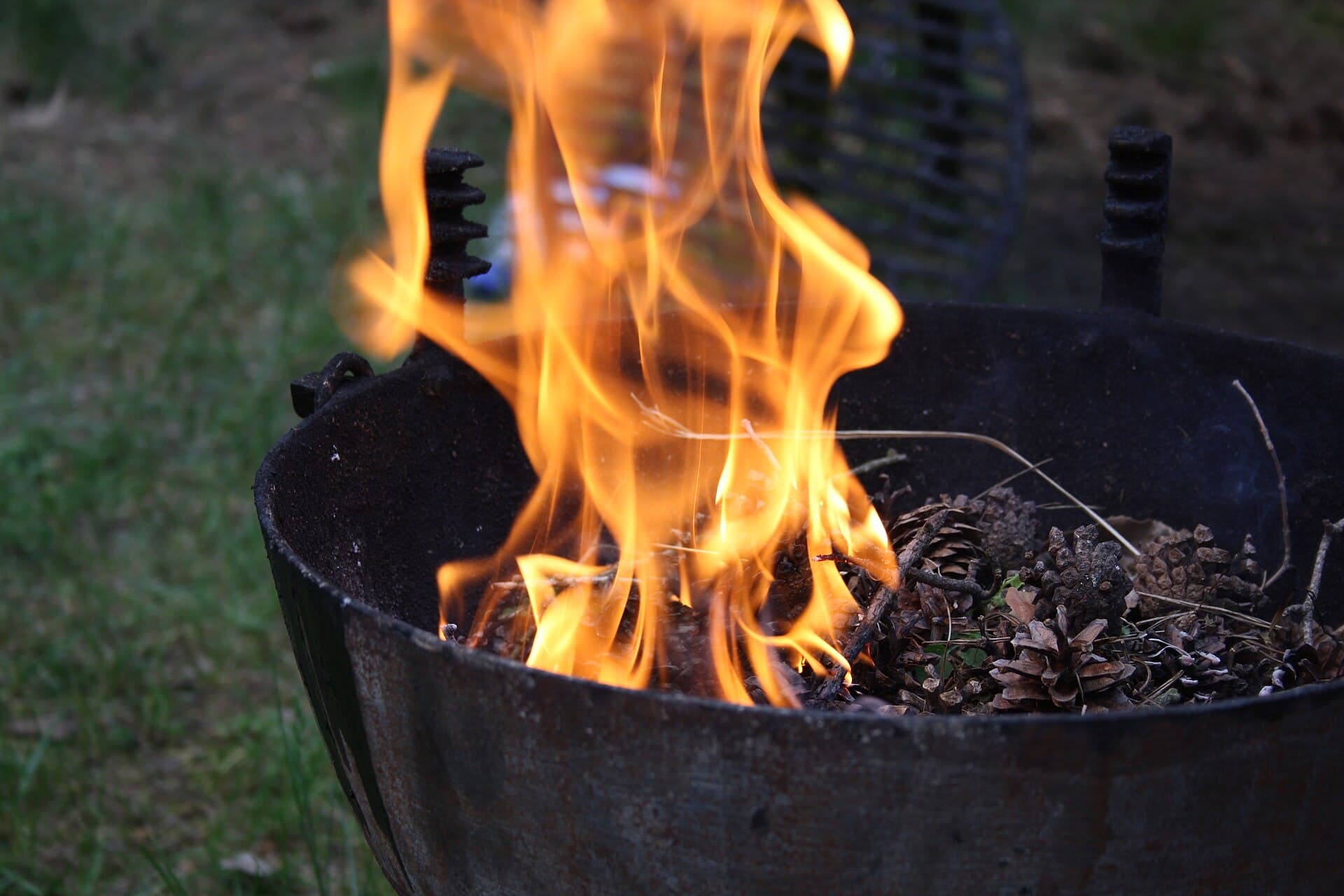
Photo: Charcoal barbecue with flames by Frettie. CC BY 3.0. Source: Wikimedia Commons. See image credits.

Direct heat is for colour. Indirect heat is for doneness. Everything else — reverse sears, whole birds, glazed hams, a tray of vegetables — is a way of moving food between those two kinds of fire.
Australians often grow up on a single-zone barbecue. The plate is on, everything is “hot”. That is fine for a thin chop and a row of snags if you stay present. It fails as soon as the food is thick, fatty, sugary or slow. Then you need a place that is merely warm, and a place that will mark a steak in a minute.
Reverse sear steak is the first worked example. How to barbecue a whole chicken is the second. You will cook both more calmly if you can name the zones.
What the two zones actually mean
Direct heat means the food sits above the flame, the coals, or the electric element. Energy arrives fast, mostly from below. Fat drips and vaporises. Surfaces dry and brown. This is grilling in the narrow sense.
Indirect heat means the food sits away from the flame. Energy arrives as hot air, from the hood, and from radiation off the walls of the barbecue. This is roasting with a slightly smoky oven. The underside does not scorch. The centre has time to catch up.
A two-zone fire is simply both at once. One side of the grate is over fire. The other side is not. You move food. You do not have to turn knobs every thirty seconds if the zones are honest.
People confuse “low and slow” with indirect heat. They overlap, but they are not the same. You can run a very hot indirect oven — 200 °C under a hood with burners on one side — and still not scorch the chicken. You can also run a weak direct fire that never browns a chop. Zone is about geometry. Temperature is about fuel and vents.
If you cannot point to a cool side, you do not have a barbecue. You have a single burner with extra metal around it.
The cool side is also your safety valve. When a flare starts, food goes there. When a glaze is about to burn, the ham goes there. When guests are late, the already-seared steaks sit there with the hood cracked. Hosting is mostly zone management. See how to host a backyard barbecue for a crowd once the fire is understood.
Setting up a gas barbecue
On a two-burner hooded barbecue, including many Weber Q set-ups with a trivet, light one burner and leave the other off. Indirect food sits over the unlit side. Direct food sits over the lit burner.
On a three- or four-burner, light one end. A BeefEater, Heatlie or Matador gives you a wide cool deck, which is kinder for a bird or a ham. A six-burner built-in is the same idea at a larger scale — see planning an Australian outdoor kitchen.
Preheat with the hood down for ten to fifteen minutes. For roasting, turn the lit burners to medium once the hood is at 180 to 200 °C. For a steak sear, leave at least one burner as hot as it will go. A full-width hotplate is all direct contact; turn one burner down to hold onions. Do not chase a lid reading of 400 °C. If the cool-side grate is around 120 °C, you can reverse sear. If it is around 180 °C, you can roast a chicken.
Town gas and LPG change how you feed the fire, not where you put the food. Natural gas versus LPG is the fuel article.
Setting up charcoal, kamado and offset
Charcoal is the clearest lesson because you can see the fire. Bank lit heat beads to one side of a kettle. Leave a third to a half of the grate empty, with a drip tray under a fatty bird. A ring of coals around the edge with the middle empty is still indirect: the bird is not sitting on flame.
Kamados want a deflector. Without one, everything is direct. Sear later by removing the plate or using a cast grate. Kamado, kettle and offset smokers compared is the buying-side version of this geometry.
Offsets are two-zone by birth. The firebox is direct; the chamber is indirect. A small backyard offset runs hotter near the door and cooler near the stack. Put brisket in the middle. Put a steak nearer the firebox for the last sear. Pellets are almost always indirect — do not expect kettle-style bars without a sear grate. Pellet smokers in Australia covers those machines.
When to use each
Use direct heat for thin food that is already tender: loin chops, prawns, halloumi, asparagus, smashed burgers, the last minute on a steak. If it would cook through in a frypan in six minutes, it can live over fire.
Use indirect heat for thick food, bone-in food, food with sugar on it, and anything you would roast. Whole chicken, butterflied lamb, Christmas ham, a slab of barramundi on a tray, stuffed mushrooms that would burn before the filling is hot — all of these want the cool side first.
Use both when the food needs a cooked centre and a browned surface. That is most of the interesting work. Reverse sear is both. Spatchcock chicken is both if you finish skin to the fire. A glazed ham is mostly indirect, with the last ten minutes watched like a hawk because sugar is involved.
Vegetables split the same way: zucchini over direct heat, a whole sweet potato on the cool side first. See the vegetarian barbecue. Seafood is less forgiving — prawns, barramundi and bugs — because the window is short. Thin pieces can live over fire. A thick barra fillet is happier on a tray.
Sausages are the backyard test. Give them colour, then park them on the cool side until the centre is done. You will lose fewer snags to carbon.
Hoods, wind and Australian conditions
A hood turns a two-zone grate into an oven. Without one, the top of the food stays pale, and a south-westerly steals heat sideways. Use the hood for anything thicker than a chop. On a balcony, strata rules may already limit what you light — see balcony and apartment barbecue rules.
A 40 °C afternoon still needs a sear burner. What it changes is how long you stand at the hood, and whether you should light charcoal on a total fire ban. Bushfire-season barbecue safety is not optional in December and January. Damp east-coast beads light slowly and then surge. Wait until they are ashed before you call a side “direct”. Flames licking the food are a flare, not a zone.
Moving food between zones
The practical skill is moving food without panic. Have tongs that reach and a tray for things that are done. Test a cooler corner with a second at grate height. Do not hover your hand over an open gas burner.
Start the indirect items first — chicken, a butterflied leg, jacket potatoes. Add prawns, halloumi and the steaks’ sear later. If something browns too fast, it goes to the cool side. Probe the thick items. Time the thin ones. Clean the grate between fatty meat and fish if you can.
Practice on a weeknight. The first two-zone fire should not be Australia Day with twelve people watching. Once the geometry is in your hands, every other technique article in this hub is a variation.
Questions readers ask
- Is the hotplate direct heat?
- Yes. A hotplate is a contact surface sitting over burners or coals. It is direct heat with fewer flare-ups and less smoke flavour than an open grate.
- Can I cook a whole chicken over direct heat?
- Not without burning the skin before the thigh is done. Use indirect heat and finish skin-side to the fire if you want more colour. See the whole-chicken method for temperatures.
- Why does my lid thermometer disagree with the grate?
- Hood thermometers sit in rising air, often above a hot zone. The grate over an unlit burner can be 40 °C cooler. Measure where the food sits.
- Do I need a two-zone fire for sausages?
- You need a cooler place to put them. Direct heat bursts skins. Park snags over a lower burner or the empty side of a kettle once they have colour.
Keep reading
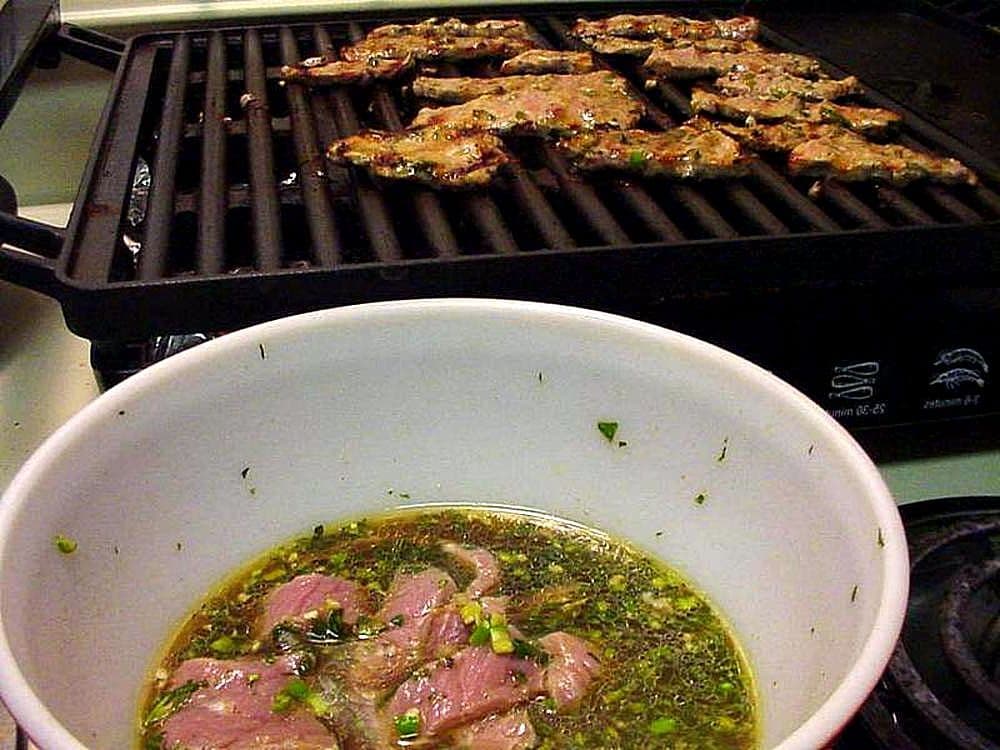
Marinades versus rubs for Australian barbecue
A rub seasons the surface and helps a crust. A marinade flavours and can tenderise the outer layer. Most Australian backyard cooks need less liquid and more salt than they think.
Jess Nguyen · 28 March 2026
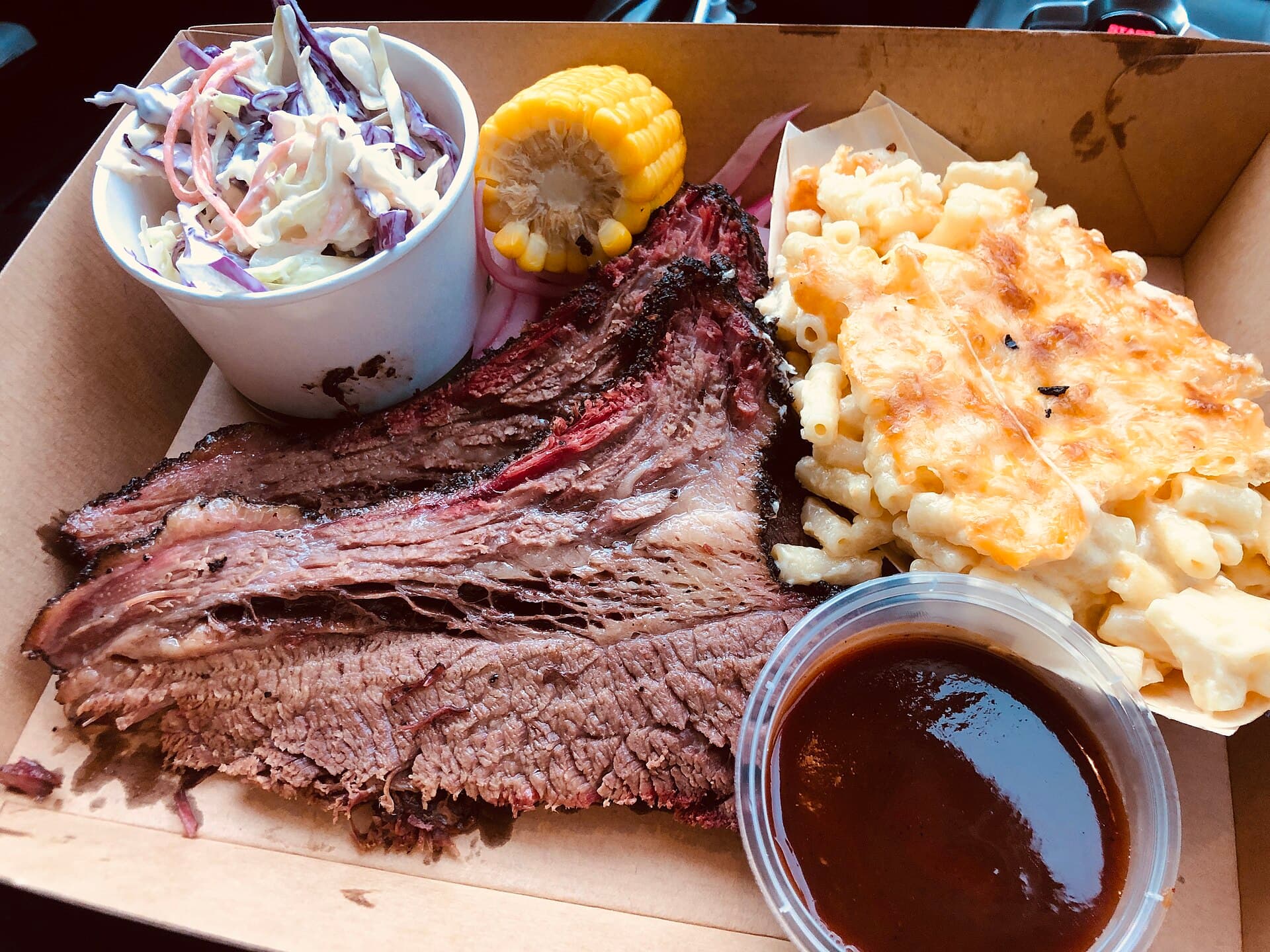
Low and slow brisket in an Australian backyard
Texas brisket advice assumes dry air and a large offset. Australian backyards have humidity, small smokers and neighbours. Here is the honest version of the long cook.
Mina Rahman · 18 March 2026
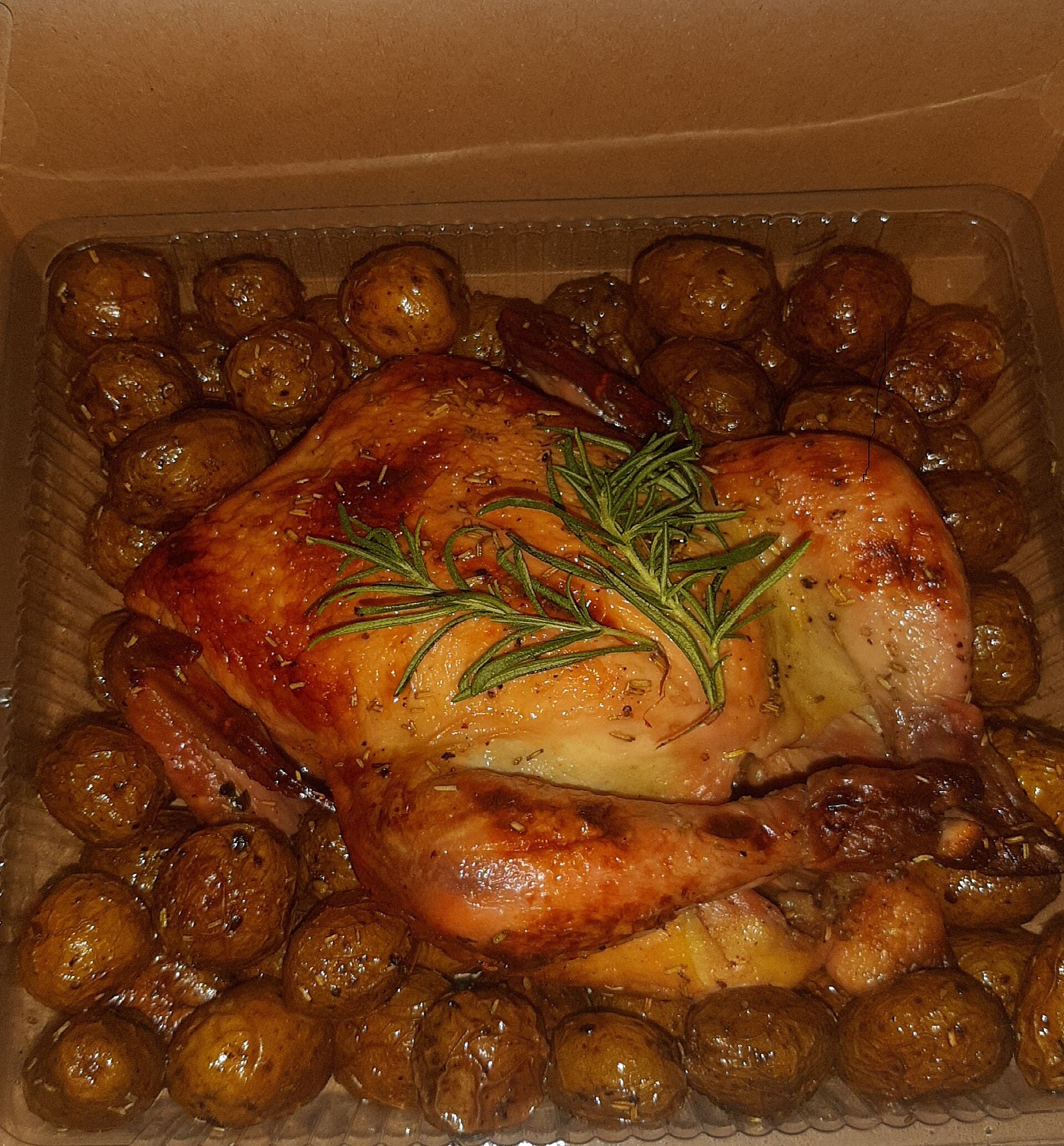
How to barbecue a whole chicken
A whole chicken on an Australian barbecue wants indirect heat, dry skin and a probe in the thigh. Spatchcock it if you would rather eat on time.
Jess Nguyen · 8 March 2026