How to barbecue a whole chicken
A whole chicken on an Australian barbecue wants indirect heat, dry skin and a probe in the thigh. Spatchcock it if you would rather eat on time.
Jess Nguyen, Food editor · 8 March 2026 · 7 min read · 1,537 words
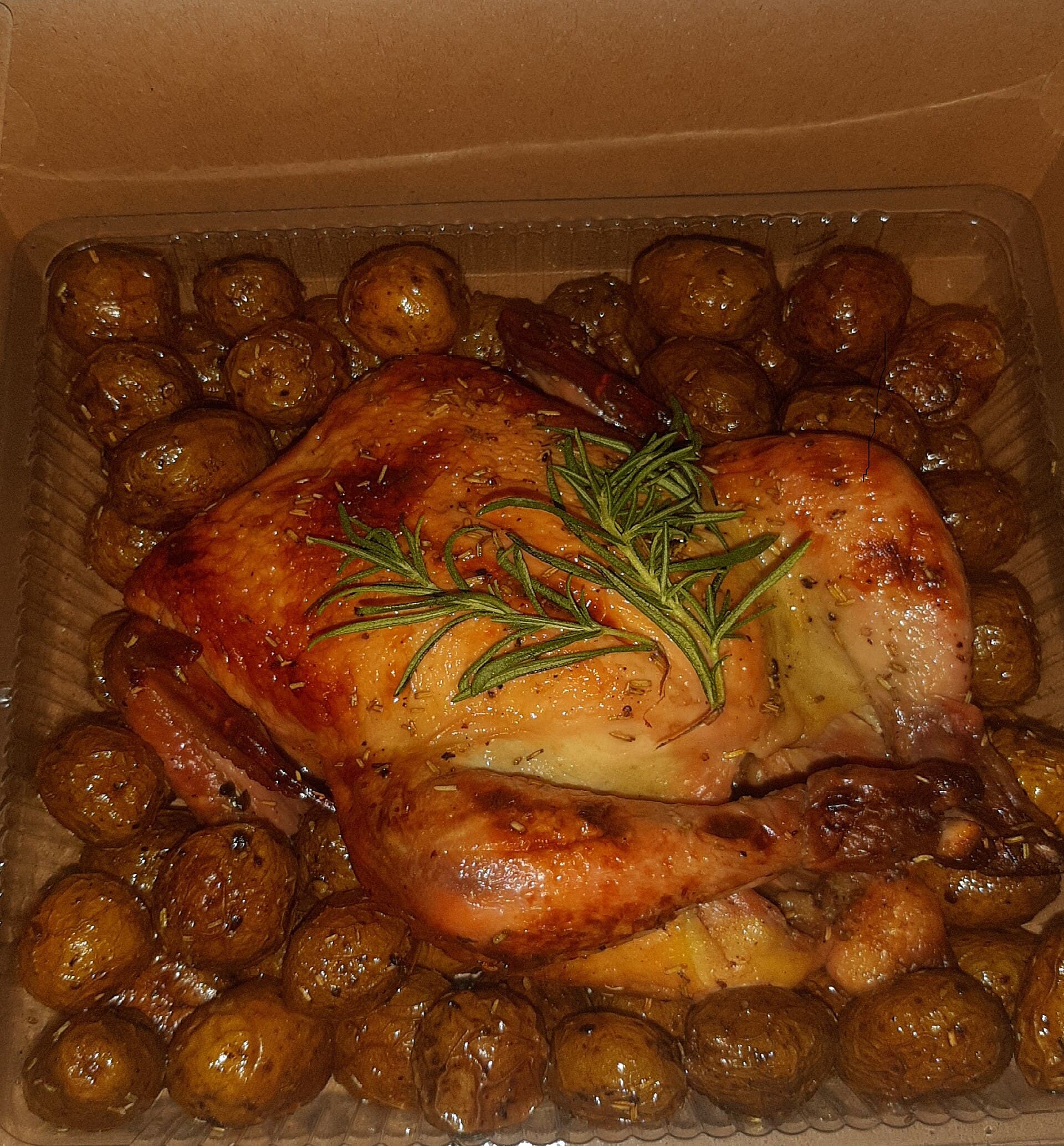
Photo: Roast chicken by Onny Nagathan. CC BY-SA 4.0. Source: Wikimedia Commons. See image credits.

A whole chicken is the most useful roast an Australian barbecue can do. It feeds four without drama, it spends most of its time with the hood down, and it leaves the hotplate free for onions or a late tray of vegetables. It is also the roast people dry out, because they treat it like a steak and park it over flame.
The method is simple. Dry the skin. Salt it early. Cook it with indirect heat, not over the burners. Probe the thigh. Rest it. Carve it on a board that can hold the juices. If you want dinner at a known hour, spatchcock the bird so it sits flat and cooks more evenly.
Choosing a bird
A 1.6 to 1.8 kg chicken is the sweet spot for a four-burner hooded barbecue. It fits on the cool side of a Weber kettle. It feeds four with salad, or six if there is bread and a second protein. Birds much over 2.2 kg take long enough that the breast dries before the thigh is done, unless you spatchcock.
Supermarket chickens are fine. Pat them dry and give them time with salt. A butcher’s free-range bird often has better skin and a slightly longer cook. Frozen birds must be thawed in the fridge, not on the bench in a January kitchen. A still-icy cavity will throw the timing out and leave the thigh behind.
If you are feeding a crowd, two smaller birds are kinder than one giant one. They cook faster, they rest on the same board, and you can stagger them if the barbecue is also holding Australia Day lamb or a tray of vegetables. See how to host a backyard barbecue for a crowd if the rest of the table is the problem.
Skip the pre-marinated tray for this method. Those sauces are usually sweet. Sugar on a whole bird over a long indirect cook will darken in patches and taste bitter before the thigh is ready. If you want flavour beyond salt, use a rub rather than a wet marinade, and keep the sugar modest.
Trussing, drying and seasoning
Dry skin is the difference between bronze and rubber. Take the bird out of its plastic. Remove the packet of giblets if there is one. Pat the skin and the cavity with paper towel. Salt the cavity and the skin. Leave the chicken uncovered on a rack in the fridge for a few hours, or overnight if you have planned ahead. The surface dries. The salt moves in.
Trussing is optional on the barbecue. A tidy tie keeps the wings from burning and makes a neater carve. It also packs the thighs against the body, which can slow them. If you truss, tuck the wing tips and tie the legs without cinching the bird into a football. If you do not truss, watch the wing tips and foil them if they darken too early.
Oil comes after the dry-salt, just before the bird goes on, and only a thin film. Too much oil drips, then flares, then spots the skin. Pepper, paprika, lemon zest, garlic powder and a little dried thyme are enough. Fresh garlic paste burns. Put smashed garlic and lemon in the cavity if you want the perfume, not on the skin.
Spatchcocking is the better default for beginners. Cut out the backbone with shears, turn the bird, and press the breast until it lies flat. You get more skin facing the hood, a shorter cook, and thighs that finish closer to the breast. Save the backbone for stock.
Indirect heat and target temperatures
Set a two-zone fire. On gas, light one side and leave the other off. Aim for a hood around 180 to 190 °C once it has settled. On a kettle, bank the coals either to one side or in a ring, and sit the chicken over a drip tray. On a kamado, use a deflector. You are roasting.
Sit the chicken breast-up on the cool side. Legs can point toward the fire if your barbecue has a hotter end — thighs tolerate more heat than breast. Close the hood. Leave it alone for 40 minutes before you start opening the lid to admire it. Every peek dumps the oven you just built, especially in wind.
A 1.7 kg bird at 185 °C often wants 60 to 80 minutes if it is whole, or 45 to 60 if it is spatchcocked. Those are ranges. Starting temperature, wind, hood seals and how much fat is on the bird all move the clock. The probe is the finish line, not the timer.
We take the chicken off when the thickest part of the thigh, not touching bone, reads 74 to 75 °C. The breast will usually sit a little lower and climb as it rests. If the breast is already past 75 °C and the thigh is 68 °C, your fire was too even and too hot, or the bird was not spatchcocked. Tent the breast with foil and give the thighs more time toward the fire.
The thigh is the truth. The breast is the thing you are trying not to punish.
Colour on the skin is not doneness. Smoke and hood heat brown a bird that is still raw at the joint. Pink at the bone can linger on young chickens even when the temperature is right. Trust the probe and the juices at the thigh.
Spatchcock as the easier path
If you have never barbecued a whole bird, spatchcock the first one. It looks less ceremonial on the table and eats better. You can finish it skin-side to a moderate direct zone for five minutes if the colour is shy, because the meat is already nearly done.
A spatchcocked chicken also shares the grate more politely. You can run zucchini or a tray of halloumi and mushrooms on the remaining cool space. A whole round bird hogging the centre of a kettle is a one-item cook.
Some cooks put a brick or a heavy pan on the bird. We do not, on a barbecue. You crush the skin, you dirty a brick, and you gain little if the fire is already indirect. Pressure belongs on a sandwich press.
Butter under the skin is a restaurant habit that works at home if you are gentle. Loosen the breast skin with your fingers and smear a thin layer of salted butter or a herb paste. Too much butter leaks and then flares. A tablespoon per breast is plenty.
Timing on gas versus charcoal
Gas is the weekday tool. It holds 180 °C without you babysitting vents. The flavour is cleaner. If you want a hint of smoke, add a handful of soaked wood chips in a foil tray over the lit burners for the first half hour. Australian smoking woods such as apple or a little red gum are enough. You are not making brisket.
Charcoal adds more flavour and more work. Light the beads in a chimney, bank them, and wait until they are ashed. If you need a primer on that fire, use how to light and control a charcoal grill. A kettle chicken likes a lid-on cook with the top vent half open. If the temperature dives, add a small amount of lit fuel, not a dump of raw beads that will smoke dirty.
Flare-ups happen when fat hits coals. That is why the drip tray exists. If the skin catches, move the bird further from the bank and close the lid to smother the flame. Do not spray water into a kettle. Flare-ups, hot spots and grease fires cover the worse cases.
In a heatwave, the cook is shorter than you expect and standing at the barbecue is longer than you want. Start earlier in the evening. Keep an esky for the salads, not for the raw chicken. Raw poultry stays in the fridge until it goes on. Cooking through an Australian heatwave is the seasonal companion.
Rest and carve
Rest the chicken for 15 minutes, breast-up, on a warm board with a channel for juice. A loose foil tent is fine. A tight wrap will soften the skin you dried so carefully. This rest finishes the thigh and lets you carve without a flood.
Remove the legs first, then the breasts, then joint the wings. Slice the breast across, not in long dry slabs. Spoon over the board juices. A mustard, a green salad and bread are enough. If you want a gravy, make it in a small pot from the drip-tray juices plus stock, not from a powdered sachet poured over the bird on the grate.
Leftover barbecue chicken is a second meal. Cool it, cover it, refrigerate it. Do not leave a carved bird on a sunny table for the afternoon and then pack it for tomorrow’s sandwiches. That is the unglamorous half of food writing, and it matters more in an Australian December than any glaze.
A whole chicken is how you learn a hooded barbecue. Once you can put a bird on the cool side and take it off at 75 °C without fuss, ham, butterflied lamb and a tray of vegetables are the same geometry with different clocks.
Questions readers ask
- Should I brine a barbecue chicken?
- A dry salt overnight is enough for most supermarket birds. A wet brine helps a very lean free-range chicken, but it leaves the skin wet and slows the colour on the grill.
- What internal temperature is safe for chicken?
- We cook until the thickest thigh reads 74 to 75 °C and the juices run clear. That is a working backyard target, not a personal health instruction. Use a probe, not the colour of the breast.
- Can I cook a stuffed bird on the barbecue?
- You can, but stuffing slows the centre and often stays underdone when the breast is already dry. Cook stuffing in a tray on the cool side instead.
- Gas or charcoal for a whole chicken?
- Both work if the heat is indirect. Gas is easier to hold at 180 to 190 °C. Charcoal adds flavour if you can keep the bird off the coals.
Keep reading
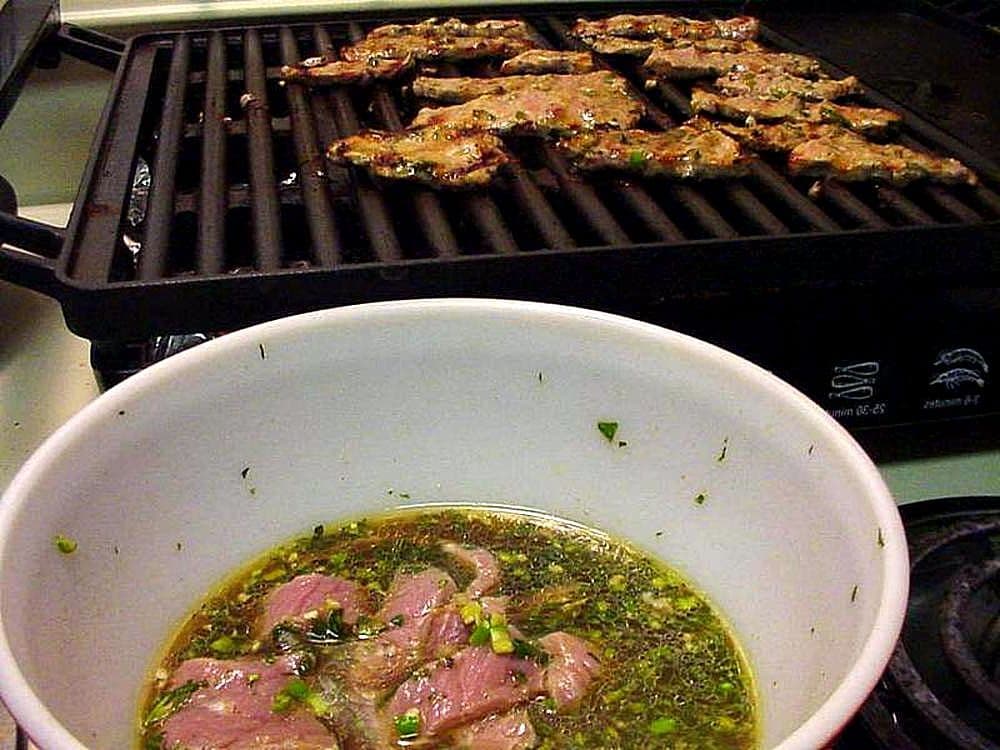
Marinades versus rubs for Australian barbecue
A rub seasons the surface and helps a crust. A marinade flavours and can tenderise the outer layer. Most Australian backyard cooks need less liquid and more salt than they think.
Jess Nguyen · 28 March 2026
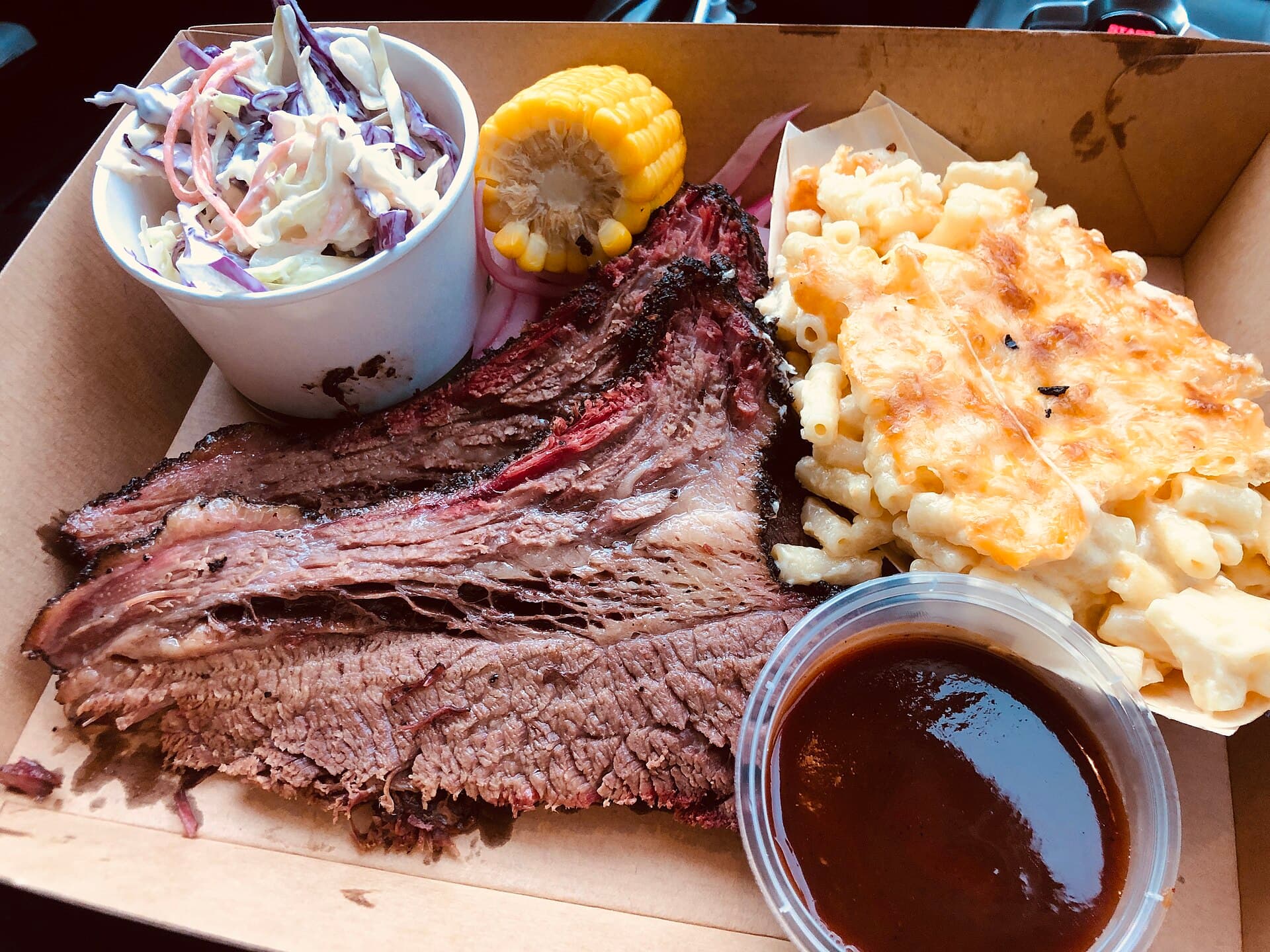
Low and slow brisket in an Australian backyard
Texas brisket advice assumes dry air and a large offset. Australian backyards have humidity, small smokers and neighbours. Here is the honest version of the long cook.
Mina Rahman · 18 March 2026
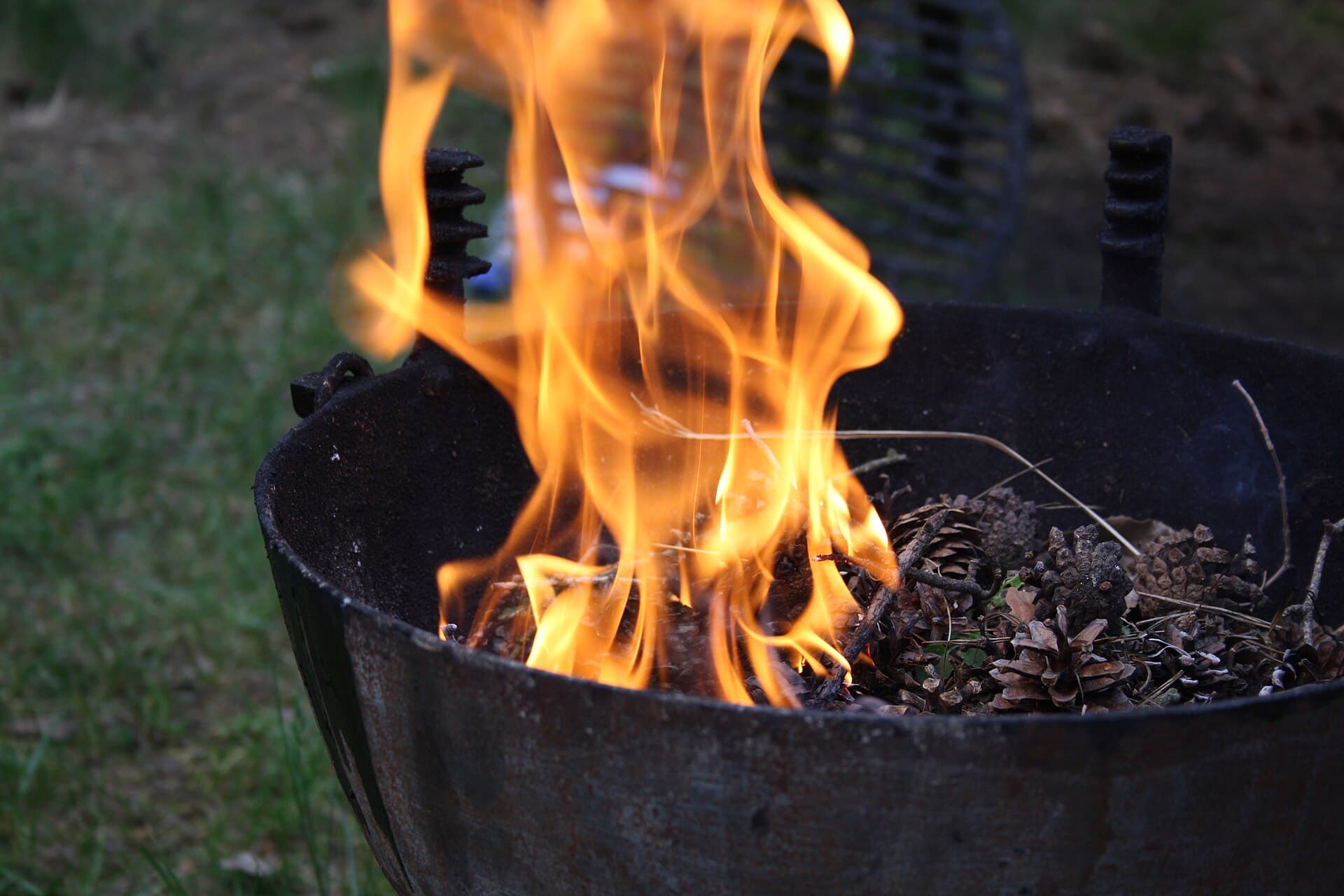
Indirect versus direct heat
Direct heat browns. Indirect heat cooks through. Almost every good barbecue meal in an Australian backyard is a conversation between the two.
Mina Rahman · 28 February 2026