Portable barbecues for camping and caravanning
How to choose a camping or caravan barbecue that survives Australian parks, bottle rules, wind and a boot full of other gear — without buying a patio trolley by mistake.
Tom Bellear, Outdoors editor · 2 March 2026 · 6 min read · 1,454 words
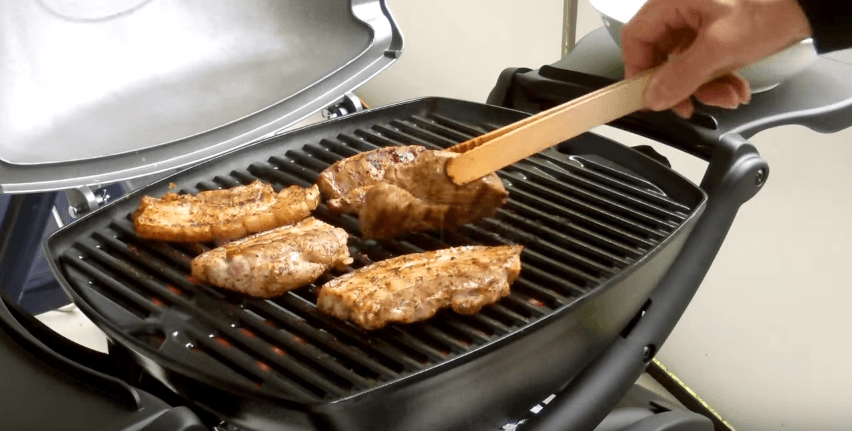
Photo: Portable electric barbecue by Tourni Abha. CC0 1.0. Source: Wikimedia Commons. See image credits.

A portable barbecue that lives in a wagon is not a smaller patio trolley. It has to light after a corrugated road, sit level on a picnic table that is not level, and pack next to an esky without leaking gas into the cabin.
Australian touring adds park rules, total fire bans, and long stretches where the only bottle swap is a country servo that closed at noon. Buy for that, not for the showroom photo of a Family Q on a paved courtyard.
If you also need a home grill, keep the two jobs separate. The backyard decision is in how to choose a barbecue grill in Australia. The class comparison for hooded portables is in the Q, Family Q and Spirit guide. This page is the touring brief.
What “portable” has to survive
Weight is the first filter. If you cannot lift the head with one hand and the stand with the other, you will leave it in the van and cook in a frypan. That is fine until the fourth night.
Look at packed size, not assembled width. A hooded Q-class head is a cube. A folding stand is a set of legs that will pinch fingers. A single-burner lunchbox grill slides beside the recovery tracks. Measure the locker before you buy.
The frame has to sit still. Picnic tables in New South Wales parks are scarred timber. Beach camps are sand. A van annex is a plastic slat. Adjustable feet beat a pretty powder coat. If the only level surface is the ground, you want a stand that keeps the grease tray out of the dirt and the bottle upright.
Vibration kills cheap regulators and loosens hose nuts. After every drive, check the connection before you light. Carry a spare washer and a small spanner that fits your fitting, not a multi-tool that rounds it.
If it is fiddly in the driveway, it will be worse at dusk with a headlamp and a hungry child.
Gas bottles on the road
Most touring cooks run LPG. The bottle size is a compromise between burn time and the locker.
A small camping bottle is light and legal in more tight spaces. It also empties in a long weekend if you simmer a sauce and boil the billy on the same burner. A 4.5 kg is the touring sweet spot for many couples. A 9 kg belongs on the ground beside a van, strapped, never loose in a hot cabin.
Know your fitting. Australian bottles and imported camp stoves do not always share a thread. If the grill came from a warehouse that also sells northern-hemisphere stock, confirm the regulator before you leave town. There is a fuller explanation of bottles, changeover and apartments in natural gas versus LPG. Natural gas is irrelevant on the road.
Store the bottle upright. Isolate the valve when you pack. Do not travel with a lit or cooling grill in a closed canopy. If you smell gas, take the bottle outside and do not hunt for the leak with a flame.
Refill points thin out west of the divide and in Tassie’s smaller towns. Carry a spare, or plan the cook around a known swap. Heat beads are not a fallback if the park has banned solid fuel for the week.
Charcoal, wood and the bans
A folding charcoal grill is quiet, cheap, and independent of a regulator. It is also the first thing a ranger will ask you to put out.
Many national parks and most total fire ban days restrict solid fuel. Some local government camping areas allow a gas flame and nothing else. A kettle in the trailer is dead weight if you cannot light it. Read bushfire-season barbecue safety before you pack a bag of beads “just in case”.
Where charcoal is legal, take a chimney starter, not a bottle of lighter fluid. Take a metal bucket for ash and do not empty it into the bush. Lighting and controlling a charcoal grill is the same skill as at home, with more wind and less patience.
Wood fires in provided pits are a different ritual. They are not a barbecue you can time. If you want smoke flavour on the road, a handful of Australian smoking wood on a legal charcoal bed is more predictable than a green branch from the campsite.
Hoods, wind and camp cooking
Coastal camps and alpine car parks share a problem: wind. An open lunchbox grill will blow out or cook one side of the sausage. A low hood helps. A tall lid on a wobbly table becomes a sail.
Sit the grill with its back to the breeze if you can. Keep the bottle on the ground, downhill of the fire if the site slopes, and away from the tent door. A purpose-made wind shield that does not enclose the burner is useful. A ring of rocks that traps unburnt gas is not.
Hooded portables earn their keep here. You can roast a small chicken, finish a tray of vegetables, and keep sand off the grate. You cannot run a true two-zone fire the way a trolley can. Cook in stages. Sear, then lid down, then rest in foil in the esky if the wind wins.
Open hotplates are still right for a breakfast of eggs and leftover lamb if the site is sheltered. They are miserable on a beach in a southerly. The home version of that argument is hood versus open grill in Australian wind.
Caravan kitchens and annex habits
A van with a built-in three-burner does not need a second stove for pasta. It may still want an outdoor grill so the smell and the fat stay outside.
Park the portable on a stand beside the van, not on the open boot lid, and not under the only window you use for ventilation. Keep the hose from becoming a trip line between the step and the pegs. If you cook under the awning, leave an exit that is not through the flame.
Grease is a wildlife problem as well as a fire problem. Empty the tray into a sealed container. Do not tip it behind the dunny. Wash the grate when it is warm, not after three days of dust have set the fat.
Powered sites tempt people toward electric grills and pellet toys. An electric plate is quiet and legal in more holiday parks. A pellet smoker wants dry pellets, a reliable outlet, and a night without a storm. It is a home machine that sometimes travels, not a touring first choice.
A packing list that is not a catalogue
Take the grill head, the stand, the regulator and hose as one kit in a crate. Take a second crate for the grate tools: tongs, a scraper, a small cutting board, a probe thermometer, and a roll of foil.
Take a cover or a bag. Road dust on a greasy grate is sandpaper. Take a fire blanket that you can reach, and a torch that is not your phone.
Food kit: a protein that keeps in the esky, a vegetable that can take smoke or a hard sear, and a starch you can cook in one pot. Prawns and barramundi are a beach luxury if the ice holds. Halloumi and mushrooms travel better than anyone admits. Rubs travel better than wet marinades in a hot car; see marinades versus rubs.
Do not take a six-burner attitude. Two burners, or one good burner and a lid, will feed a touring pair. Four adults need a Family Q-class grate or a second stove, not optimism.
Buying without the patio bias
In the shop, fold everything. Time yourself. If the latch needs a diagram, keep walking.
Light it if the store will let you, or at least connect the regulator and listen. Look at the grease path. A portable that drips onto the picnic table will be banned from the next site by your own travelling companions.
Prefer replaceable hoses and standard bottles over a sealed cartridge system you cannot refill west of Dubbo. Prefer a grate you can lift out and wash at a tap. Prefer a lid that clips shut for travel.
Gasmate, Matador, Jumbuck and the Weber Q-class all sell into this job. So do cheap lunchbox grills that last one Cape trip. The difference is usually the stand, the lid hinge, and whether the burner still lights after it has been full of sand.
When you get home, do not leave the touring grill salty and closed. Rinse, dry, and clean it the way you would a patio machine. Then put it back in the crate so the next Friday departure is a lift, not a hunt.
Questions readers ask
- Can I take a 9 kg LPG bottle into a national park?
- Many parks allow a gas barbecue with a properly connected bottle. They still ban open fires and sometimes all flame on total fire ban days. Check the park notes and the fire service before you leave home.
- Is a single-burner camp stove enough for a weekend?
- It will boil water and cook two steaks. It will not feed four adults and a pan of onions unless you accept a long queue and a second stove.
- Should I pack charcoal or gas for a touring trip?
- Gas is simpler where bottles are legal and refill points exist. Charcoal is quieter and independent of a regulator, but it is more often banned and it needs a metal bin for cold ash.
- How do I stop a portable barbecue blowing out in coastal wind?
- Sit it low, put the bottle on the ground, and use a hood or a purpose-made wind shield that does not trap gas. Do not cook under an awning that is also your only exit.
Keep reading
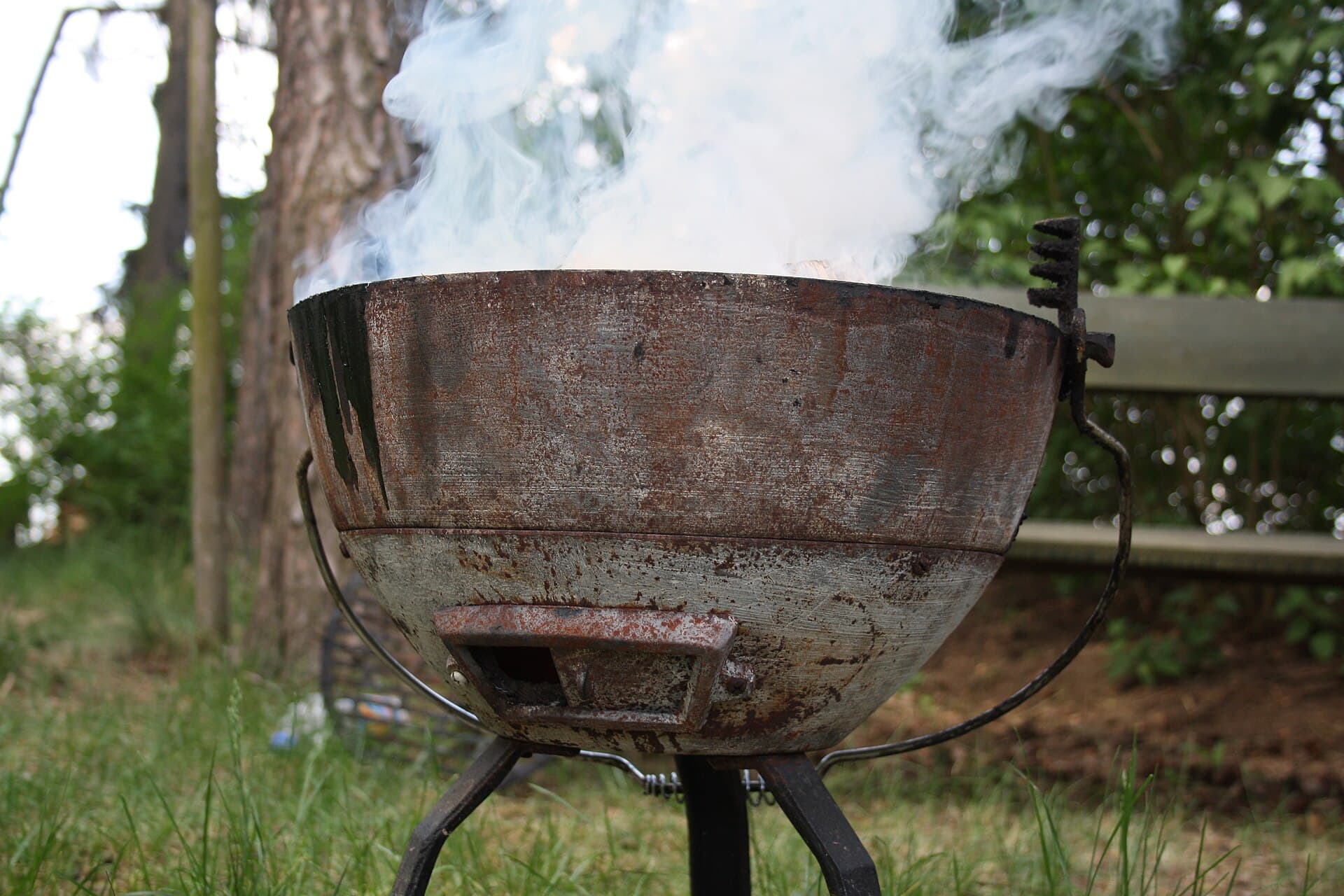
Kamado, kettle and offset smokers compared
Three charcoal and wood machines, three different fires. How ceramic kamados, kettle barbecues and offset smokers behave in an Australian backyard — heat, capacity, wind and the learning curve.
Callum Hartley · 22 March 2026
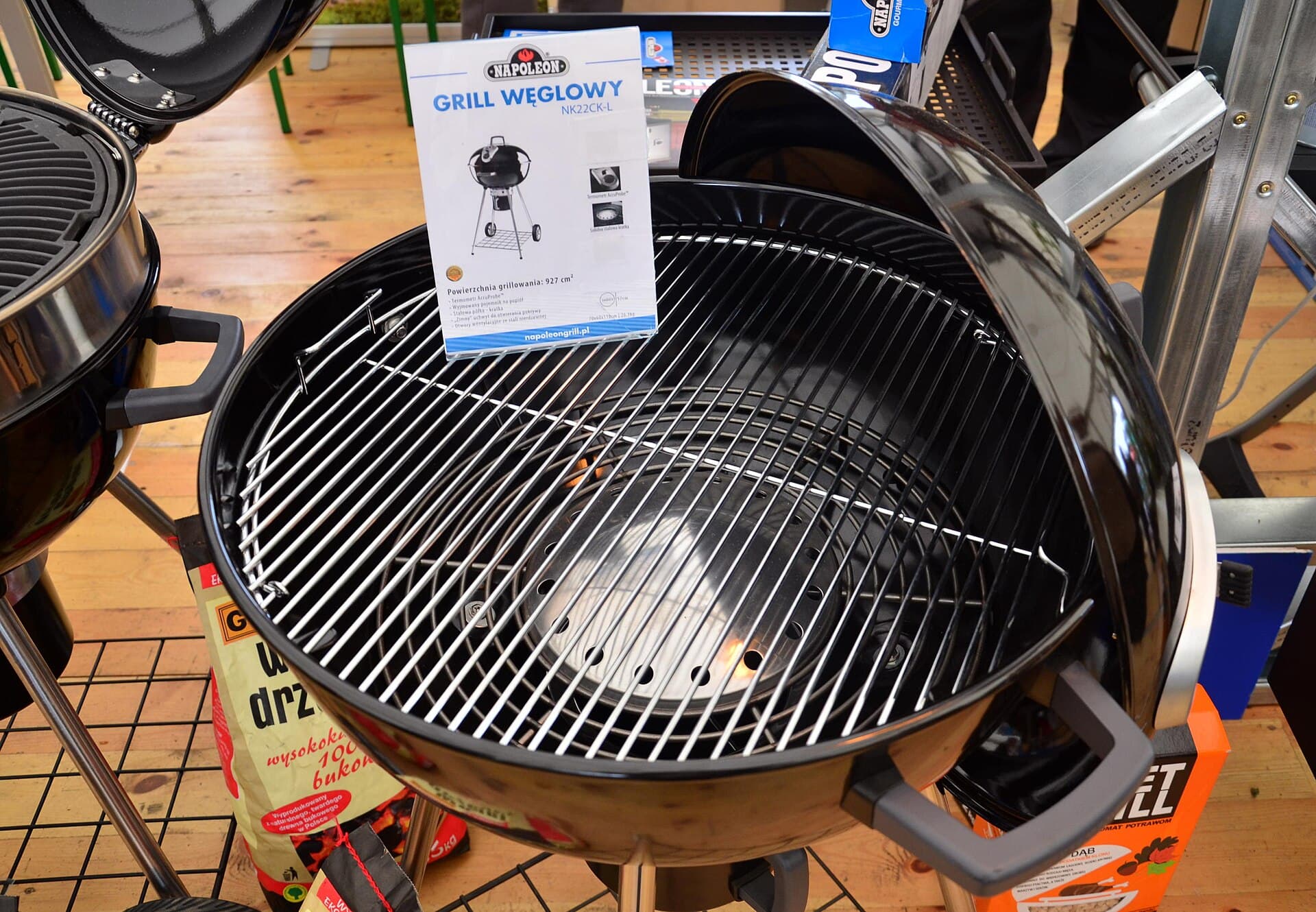
Built-in barbecue buying guide for Australia
A built-in barbecue is a wet-area renovation that happens to hold fire. Choose the head, the bench, the gas run and the drainage before anyone pours concrete.
Callum Hartley · 12 March 2026
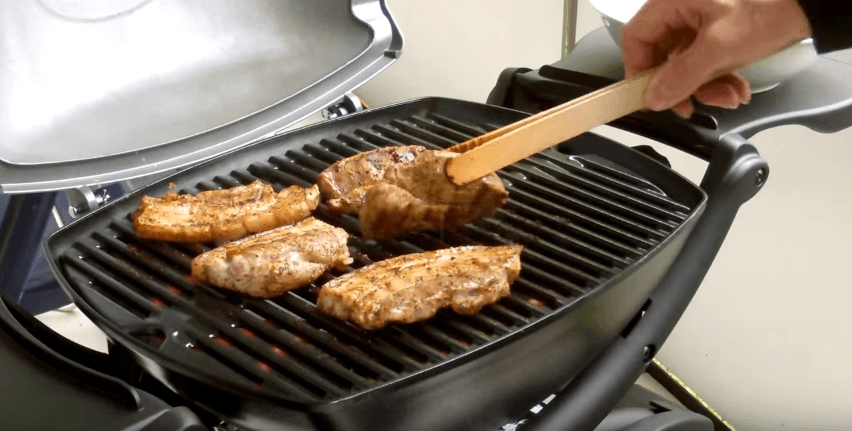
Weber Q, Family Q and Spirit buying guide
How portable Q-class, Family Q and Spirit-style trolley barbecues actually behave in Australian backyards — bottles, side tables, roasting and the limits of a compact hood.
Callum Hartley · 18 February 2026