Marinades versus rubs for Australian barbecue
A rub seasons the surface and helps a crust. A marinade flavours and can tenderise the outer layer. Most Australian backyard cooks need less liquid and more salt than they think.
Jess Nguyen, Food editor · 28 March 2026 · 6 min read · 1,436 words
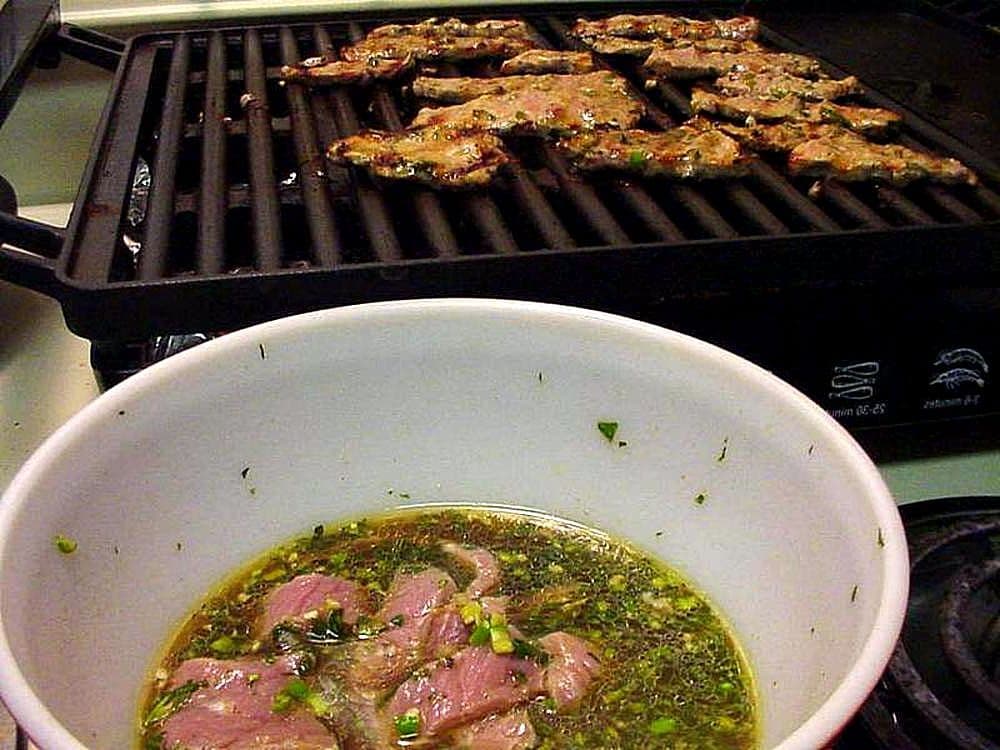
Photo: Grilled steak with marinade by Jon Sullivan. Public domain. Source: Wikimedia Commons. See image credits.

Every Australian supermarket aisle between the snags and the heat beads sells a bottle that promises flavour in twenty minutes. Some of those bottles are fine. Many are sweet, salty and wet, which is a poor starting point for a hot grate. The useful question is not “marinade or rub” as a tribal fight. It is which job you need the seasoning to do.
A rub is a dry mix that sits on the surface. It is salt, plus whatever else you want the crust to taste of. A marinade is a liquid mix. It can carry acid, oil, herbs, soy, yoghurt. It flavours a shallow layer and, if there is acid or dairy, it changes the texture of that layer. Neither will save a thin steak cooked on a single screaming hotplate.
This piece sits next to reverse sear steak and indirect versus direct heat. Those articles are about fire. This one is about what you put on the food before the fire starts.
What each method is for
Use a rub when you want a dry surface and a crust: thick steaks, lamb chops, a whole chicken, a brisket point, mushrooms that should brown rather than stew. Salt needs time to dissolve and move in. The rest of the rub can go on closer to the cook.
Use a marinade when you want a distinct flavour in a thin piece, or a little insurance on a lean or slightly older cut: chicken thigh, butterflied lamb, squid, firm tofu, a supermarket steak you are not reverse searing. Yoghurt and lemon on lamb is a marinade. Soy, garlic and a little oil on barra is a marinade. A litre of bottled “smoky barbecue” on a scotch is mostly sugar water.
Use both only with a plan. A dry-salted chicken that then gets a wet mop every ten minutes will never crisp. A rubbed brisket that you then paint with a vinegar mop is a different tradition and a wetter bark. Pick the surface you want at the table, then work backwards.
If the food is dripping when it hits the grate, you are steaming first and burning second. Pat it dry.
Oil is not a marinade by itself. A film of oil helps herbs stick and helps a dry surface face a hot grate without tearing. A cup of oil in a bag with a steak mostly makes a mess and a flare. Use enough to coat, not enough to deep-fry.
Rubs that work in heat and wind
A backyard rub can be three ingredients. Coarse salt, cracked pepper, a little garlic powder. That mix belongs on beef and on a lot of lamb. Add paprika if you want colour. Add dried oregano or thyme if you want a Greek-ish chop. Add a small amount of brown sugar only if the cook will not sit over direct heat for long.
Sugar is the Australian trap. Our bottled rubs are often built for American-style ribs and then sold for weeknight steaks. Sugar melts, then burns, then tastes bitter. On a hooded barbecue in a northerly, the grate is hotter than you think. Keep sugar for food that spends most of its life on the cool side: a ham glaze, a late brush on chicken wings, a rib rack. Leave it off a minute-a-side prawn.
Salt quantity matters more than spice originality. Under-salted meat with an interesting rub still tastes bland in the middle. For steaks, salt early — forty minutes to overnight — and be modest with extra salt in the rub if the meat is already seasoned. For a whole chicken, salt the night before and use a lighter rub on the skin in the afternoon.
Apply rubs with a dry hand onto a dry surface. If the meat is wet from the packet, pat it. If you want the rub to cling, a teaspoon of oil on the meat is enough. You should see the surface, not a paste an inch thick. Excess rub falls into the fire and then tastes like burnt dust on the next chop.
Wind dries a rubbed surface fast, which is useful, and blows loose spice into the garden, which is not. Season in the kitchen. Carry the tray out covered.
Marinades that do not burn
A marinade needs a job for each part. Salt or soy for seasoning. Acid or yoghurt if you want a slight tenderising of the outer layer. Oil to carry fat-soluble flavour and to protect. Aromatics — garlic, ginger, chilli, herbs, citrus zest — for the thing you will actually taste. Sweetness last, and less than the bottle suggests.
Acid is lemon juice, vinegar, wine, pineapple, kiwifruit. A short time in lemon is bright. A long time in pineapple juice turns the surface of a prawn or a cheap steak to mush because of the enzymes. Fruit enzymes are not a special technique. They are how you get a mealy chop. Keep those marinades under an hour and keep them for thin food.
Yoghurt on lamb is the marinade we reach for most often in this kitchen. It clings. It browns in a friendly way if you scrape the excess off. It suits a butterflied leg for Australia Day. Garlic, cumin, lemon zest and salt in the yoghurt are enough.
Soy, garlic and a little sesame oil suit chicken thighs and prawns. Honey in that mix belongs on the last minutes, not in the bag for six hours. The same is true of commercial satay and sticky char siu-style sauces. They are glazes. Treat them as glazes.
Always keep a clean cup of marinade back before the raw meat goes in if you want a sauce. The used liquid has had raw protein in it. Boiling it is the textbook rescue and still gives you a dull, grey sauce. Fresh is better.
Pat dry before the grate. This is the sentence that should be on the bottle. Wet chicken does not brown. Wet steak does not crust. Wet halloumi sticks, then tears. Leave a thin tacky coat if it is yoghurt. Wipe off puddles.
Salt, sugar, garlic and timing
Timing is a range, not a virtue. Longer is not better past the point where the surface changes too much.
Seafood: 15 to 30 minutes, mostly oil, zest, chilli and salt. Acid only briefly. See the seafood barbecue piece for the fire side.
Chicken pieces: 2 to 12 hours. Whole birds: dry salt overnight, wet marinades only if you will dry the skin before cooking — which is why we prefer a rub on a whole chicken.
Lamb chops: 30 minutes to 4 hours. A butterflied leg: 4 hours to overnight.
Beef steaks you will reverse sear: salt, maybe pepper, maybe a dry rub without sugar. A wet marinade fights the crust. Beef steaks you will cook hot and fast because they are thin: a short marinade is fine if you dry them.
Garlic burns. Fresh paste on the outside of a chop over direct heat becomes bitter specks. Put raw garlic in a marinade that will be scraped back, or use powder in a rub, or put smashed cloves in a cavity. Ginger is similar. Chilli flakes can scorch; chilli in oil is kinder.
Refrigerate marinating meat in a non-reactive dish or a bag, not in a warm garage. In a heatwave the clock on food safety is shorter than the clock on flavour. Put the dish back in the fridge. Cooking through an Australian heatwave is about more than the fire.
Matching method to the cut
Thick scotch: salt and a dry rub, then reverse sear. Rump you want to slice: salt early, modest pepper, indirect then a sear. A wet marinade will not fix the grain.
Lamb chops: oil, oregano, or yoghurt with the excess scraped. A butterflied leg: yoghurt overnight, dried, indirect, then a hard finish. Christmas ham is already cured — glaze at the end. Halloumi and vegetables: oil, lemon, herbs; see the vegetarian barbecue. Snags: leave them alone.
A weeknight default
Salt meat when you get home. At cook time, add a dry rub or a film of oil and herbs. Keep something sweet for the last two minutes only. Chicken thigh in a soy-garlic-oil bag for the afternoon is honest cooking. Scrape it. Use two zones.
Clean the grate after a sugary cook; burnt glaze becomes next week’s bitter flavour. The longer version lives in how to clean a gas barbecue. Marinades and rubs are seasoning. They are not a substitute for a probe, a rest, or a cool side.
Questions readers ask
- How long should I marinate meat for a barbecue?
- Thirty minutes is enough for thin cuts and seafood. Two to twelve hours suits chicken and lamb. Overnight is useful for a butterflied leg. Past a day, acid starts to make the surface mushy.
- Do marinades make steak tender?
- They flavour the outer few millimetres. They do not turn a cheap flat into a scotch fillet. Tenderness still comes from the cut, the heat and the rest.
- Why does my marinade burn on the grill?
- Sugar, honey and thick commercial sauces scorch over direct heat. Pat the meat dry, cook most of the way on the cool side, and brush sweet glaze on at the end.
- Can I reuse leftover marinade?
- Not if it has had raw meat in it, unless you boil it hard and even then it is a poor sauce. Keep a clean portion aside before the meat goes in if you want a table sauce.
Keep reading
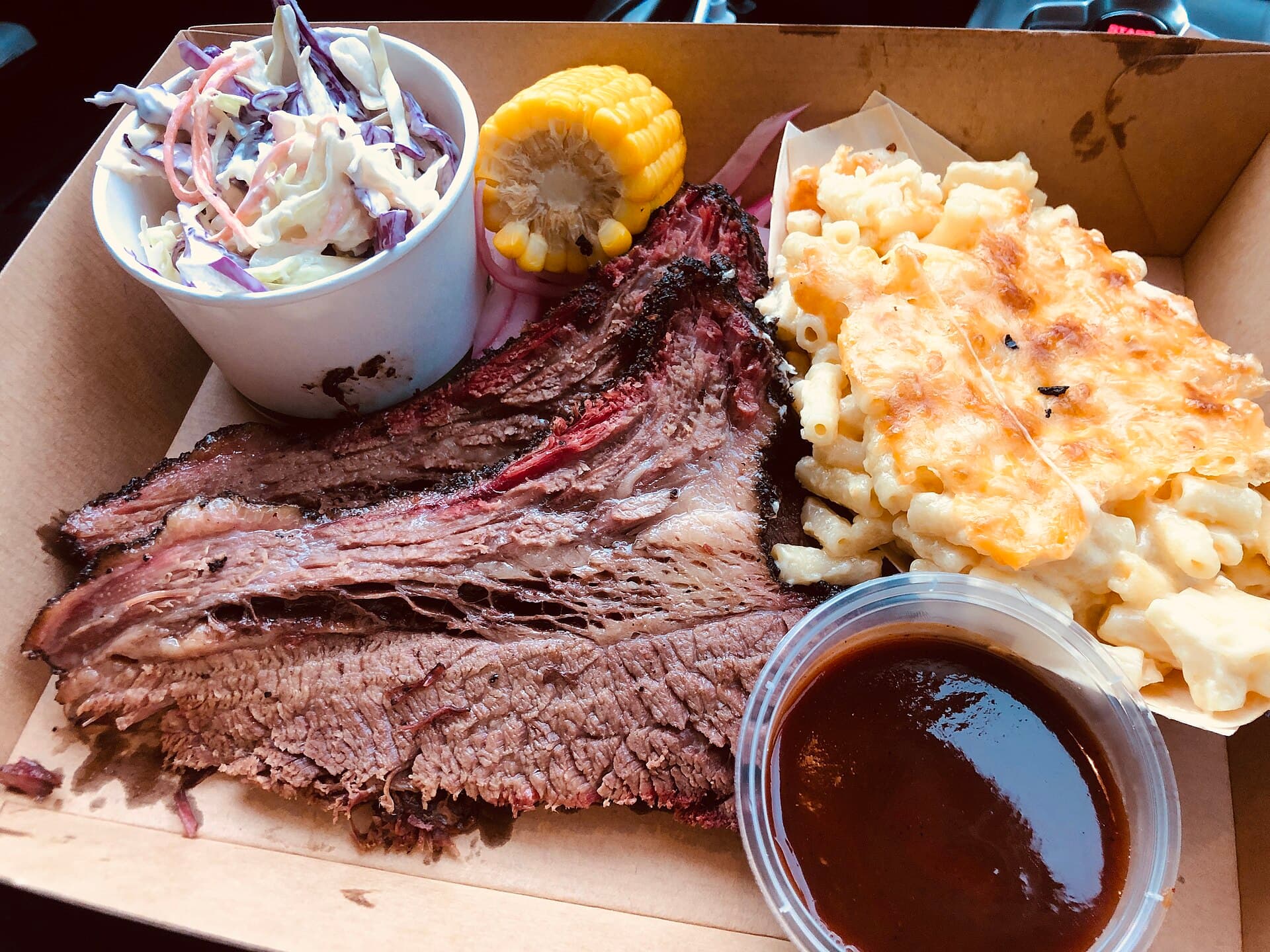
Low and slow brisket in an Australian backyard
Texas brisket advice assumes dry air and a large offset. Australian backyards have humidity, small smokers and neighbours. Here is the honest version of the long cook.
Mina Rahman · 18 March 2026
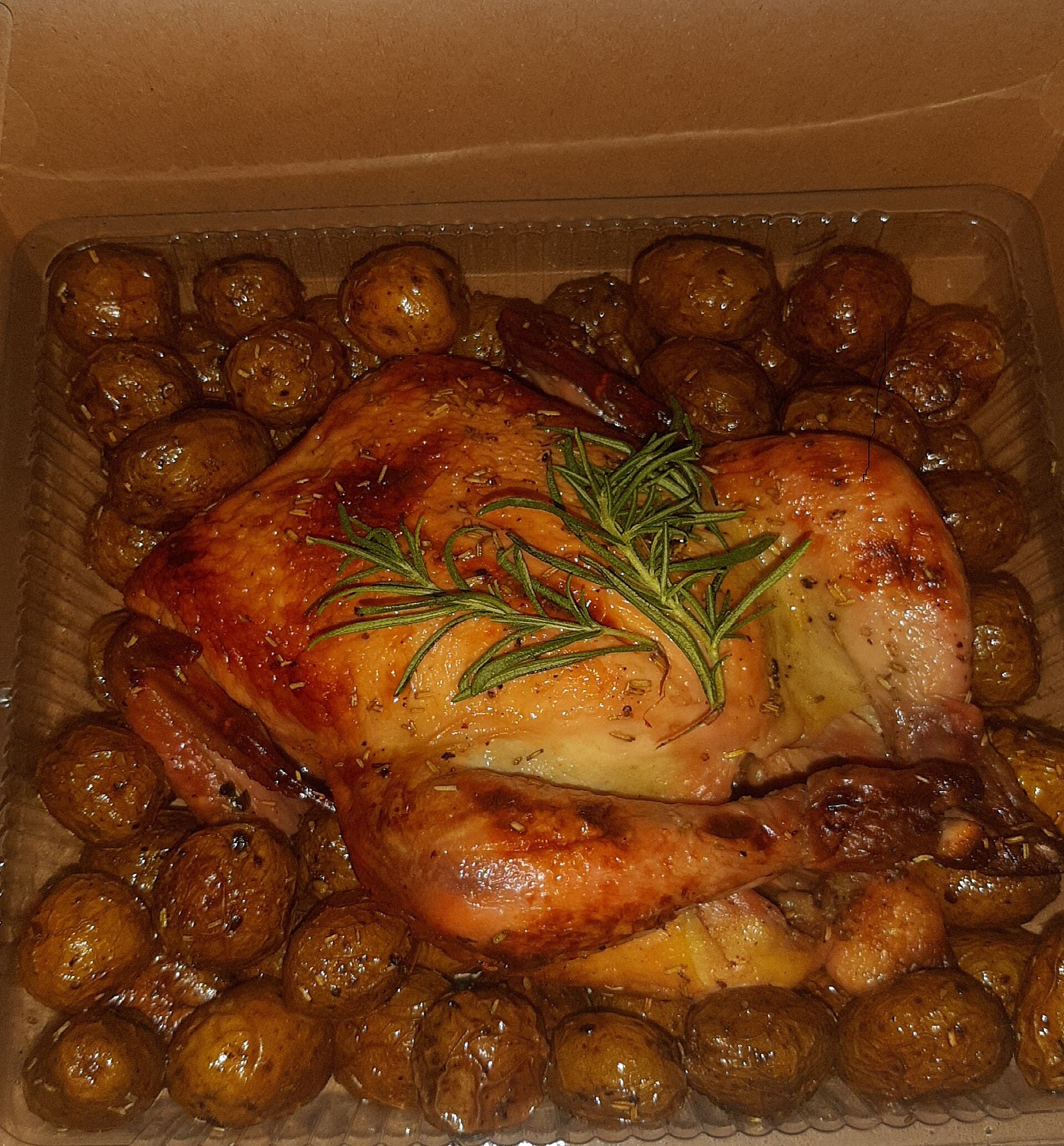
How to barbecue a whole chicken
A whole chicken on an Australian barbecue wants indirect heat, dry skin and a probe in the thigh. Spatchcock it if you would rather eat on time.
Jess Nguyen · 8 March 2026
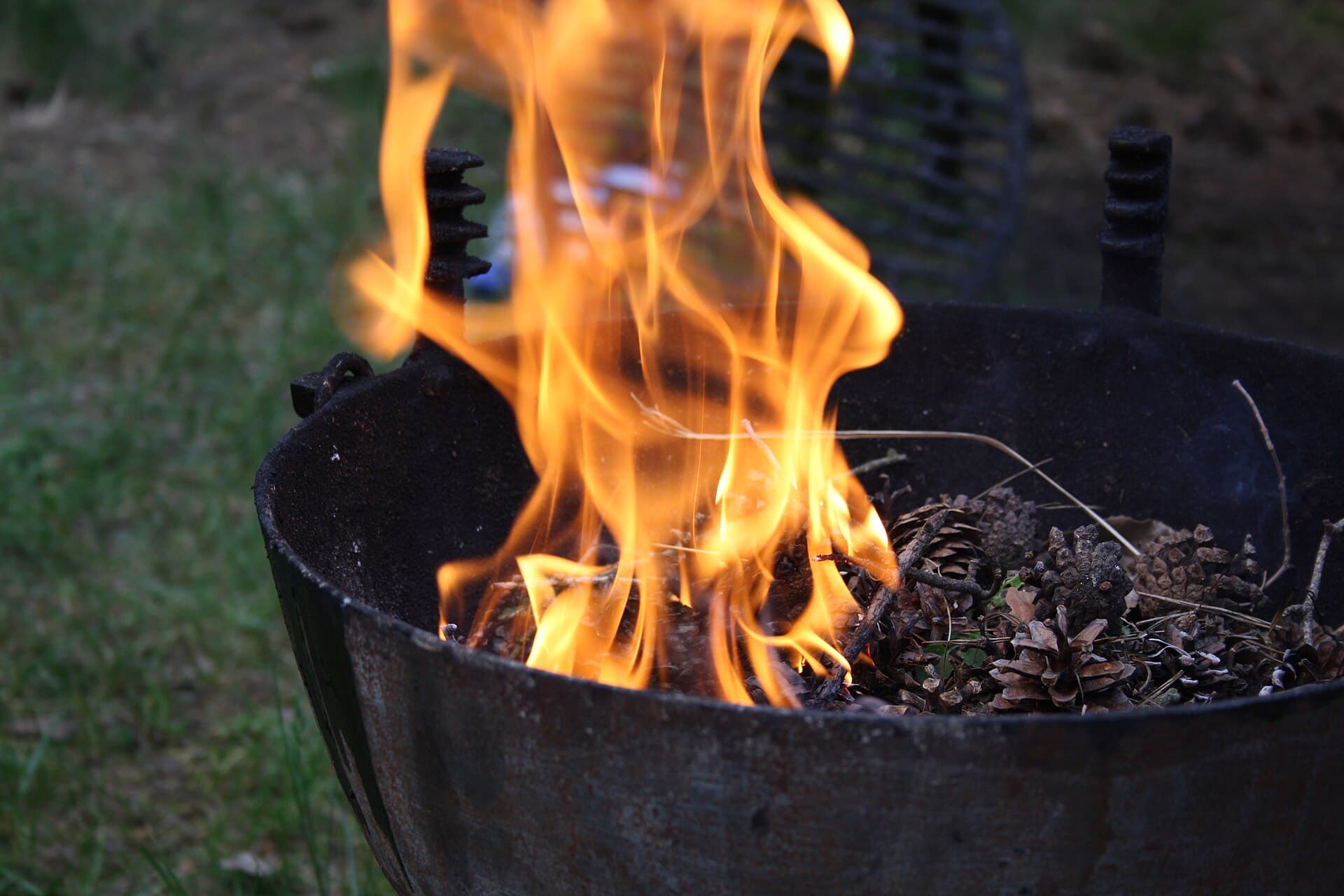
Indirect versus direct heat
Direct heat browns. Indirect heat cooks through. Almost every good barbecue meal in an Australian backyard is a conversation between the two.
Mina Rahman · 28 February 2026