How to season a new barbecue
Seasoning is a thin polymer film on iron, not a flavour and not a wash. Do it once, then keep it with heat, oil and the right kind of cleaning.
Mina Rahman, Technique editor · 12 June 2026 · 7 min read · 1,580 words
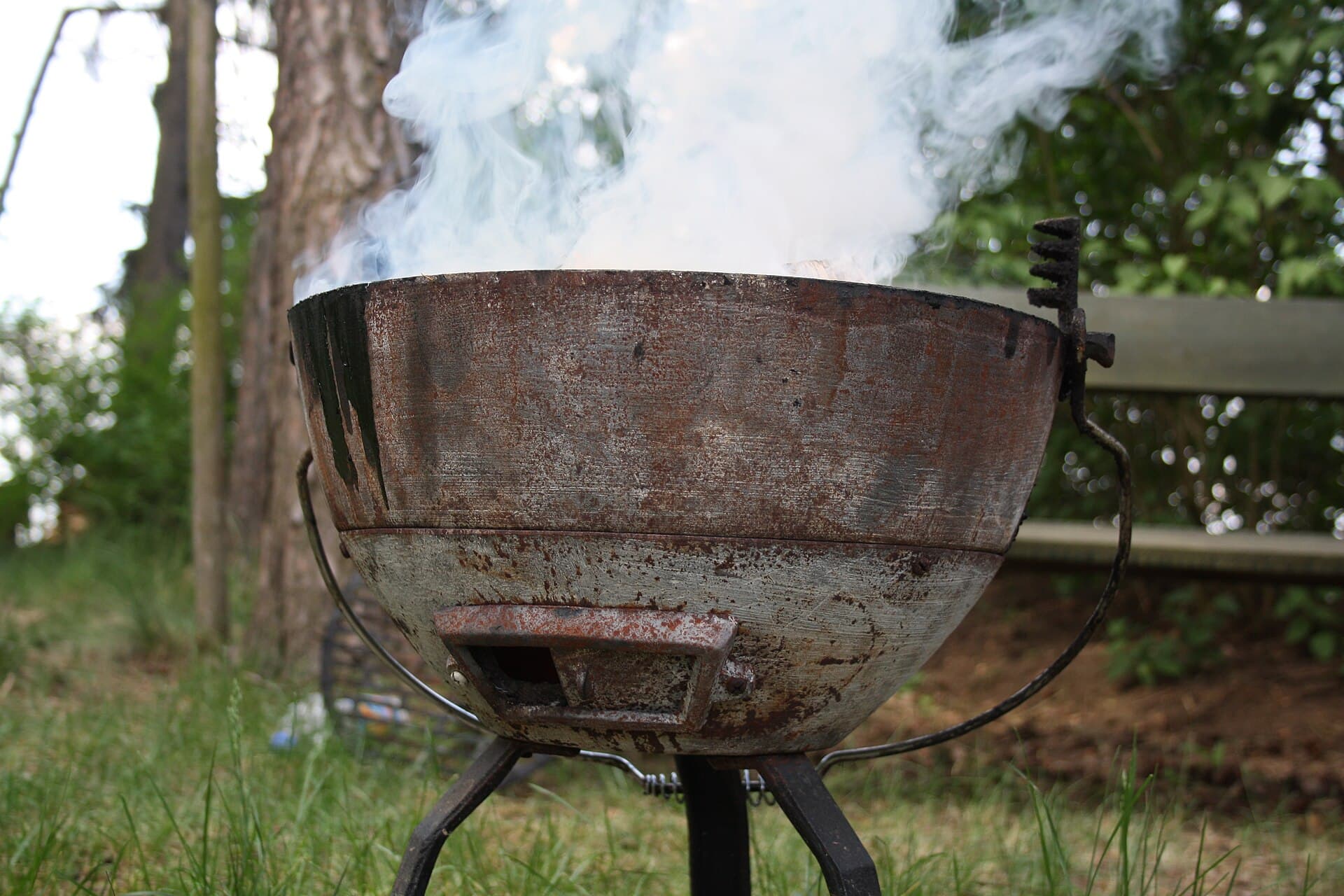
Photo: Kettle charcoal barbecue by Frettie. CC BY 3.0. Source: Wikimedia Commons. See image credits.

A new barbecue arrives with a factory sheen, a smell of protective oil, and a set of instructions people skip because they want a steak. Seasoning is the short job that decides whether a cast-iron plate becomes a release surface or a rust scab. It is not a marinade. It is not “adding flavour.” It is heat plus a thin film of oil that polymerises on iron.
The rest of the appliance still needs a first heat. Stainless, porcelain enamel and chrome do not take a traditional seasoning the way iron does, but they do need the packing wiped off and the burners run so you are not eating warehouse dust with the first snags.
Seasoning is a film, not a flavour
When oil gets hot enough on bare iron, it stops being oil and becomes a hard, dark layer bonded to the metal. That layer is slightly hydrophobic. Food sticks less. Moisture reaches the iron less. Each later cook can add a little more if you do not scrub it back to silver.
That is all. The flavour of dinner still comes from the food, the smoke and the heat management. A black plate does not make a better sausage than a clean one; a rusty plate makes a worse sausage and a metallic taste.
People ruin seasoning in two directions. They pour a cup of oil onto a cold plate and bake a sticky lake. Or they treat the first cook as a reason to attack the iron with detergent, a brick, and a hose. The useful path is thinner and hotter than both.
If you bought a kettle, a kamado or an offset, the iron grate or the steel plate is only one surface. The rest of the cooker is a heat vessel. Compare the machines in kamado, kettle and offset smokers if you are still deciding which bare metal you actually own.
Cast iron, porcelain and stainless
Identify the cooking surfaces before you oil anything.
Cast-iron hotplates and grates, common on Australian four-burners and on many kettle grates, are the surfaces that want a true seasoning. They arrive either raw and grey, or pre-seasoned with a factory film that still wants a wash of the packing oil and a fresh heat cycle. The raw ones rust if you look at them with a damp cloth and then walk away.
Porcelain-enamel grates, typical of many Weber cooking grates and of enamelled hoods, are glass on metal. You do not season glass. You wash it, you avoid thermal shock and chipping, and you brush it. A light oil on the food is enough. A heavy oil bake on enamel just makes varnish.
Stainless grates and plates need the protective film washed off. They can flash-rust in coastal air if stored wet, so a wipe of oil after cleaning is storage insurance, not a polymer project. Do not expect stainless to turn black and non-stick the way iron does. It releases food because it is smooth and hot, not because it is seasoned.
Chrome-plated cheap grates chip and rust from the chip. When the plating goes, replace them. The firebox, tamers and tray do not get the food-contact ritual; they get the method in how to clean a gas barbecue.
The first heat cycle
Do this before the first real meal, not after, and do it outside with the same clearances you will cook with.
Assemble the barbecue fully. Check that burners seat on the valves, that the bottle is upright, and that you have soapy water for a leak check on a new hose. For charcoal, use a full chimney of heat beads or lump and get them properly ashed. If you are new to that fire, how to light and control a charcoal grill is the companion piece.
Wash the cooking surfaces in warm water with a little detergent to remove machining oil and cardboard grit. Rinse. Dry immediately on a low burner or over the start of the charcoal, not on a tea towel you then forget on a rail.
For a gas barbecue, light the burners, shut the hood if it has one, and bring the box to a strong heat. You want the iron hot enough that a thin wipe of oil will smoke, not pool. For most backyard four-burners that is a medium-high setting for fifteen to twenty minutes, not an hour on full. You are baking a film, not stress-testing the paint.
For a kettle, wait until the beads are ashed, set a lid-on temperature that feels like a hot oven, and give the grate ten or fifteen minutes to come up. The first paint smell from a new lid is common. It should fade. If it does not, you are still burning packing, not food. Wait.
Thin oil, proper heat, then leave it alone.
While it is hot, wipe a teaspoon or two of oil across the iron with a cloth bunched in tongs. The surface should look barely sheen, not wet. Close the lid and let the oil smoke off. Repeat once if the iron still looks thirsty and grey. Stop if you are building a glossy puddle. That puddle never becomes a good film; it becomes something you will scrape next week.
Then turn the heat down and cook something simple and fatty — chicken skin, a few snags, a cheap steak — not a delicate fish. The first cook adds to the film. It also tells you whether the burners are even.
Oil choice and how much
Canola, grapeseed and a purpose-made grill oil are the boring correct answers. They are neutral and they smoke in a range you can reach on a backyard grill. Rice bran oil behaves similarly. Extra-virgin olive oil and butter brown and stick. Flaxseed has a cult following for pan seasoning and a habit of flaking on a barbecue plate that sees scraping.
Spray oils are convenient if you hold the can off a naked flame and use a mist, not a foam. Read the can. Some are mostly water and lecithin and they leave a tacky layer.
Quantity is the usual error. If the oil drips off the plate when you tilt it, you used too much. If you can draw a dry line with a paper towel and the iron looks matte grey again, you used too little or the plate was not hot. Aim for the look of a well-used black skillet, not a tray of shallow fry.
Do not season with the contents of the grease tray. That mix is salt, carbon and old fat. It smells and it rusts. Save dripping from a clean roast if you like, and apply it as a wipe, not as a pour.
After the first cook
Let the grill stand a few minutes. Scrape the plate while it is still warm. Wipe. If you cooked only lean food and the surface looks dry, a pea of oil on the cloth is enough. Do not wash the iron with detergent unless you spilled something sugary or filthy that a scrape will not lift. If you must wash, dry on heat and oil again immediately.
Enamel and stainless get a brush and a wipe. They can take detergent. Dry them anyway. Put the cover on only when the appliance has stopped steaming.
The next five cooks matter more than a perfect first afternoon. Regular heat and a little fat will outwork a single ceremonial seasoning. Irregular hose-downs will undo it. If you are hosting, scrape between batches rather than flooding the plate with water in front of guests. Water on thin hot iron is how you get warping and a sudden rust bloom.
Store the plate in the barbecue, dry, lightly oiled, with the hood or lid shut and a cover that can breathe. A sealed plastic bag around a still-warm plate is condensation. Coastal cooks should expect to redo a wipe after a salty blow even if they have not cooked.
When seasoning fails
Rust spots are not a moral verdict. Rub them back with a dry stainless pad or coarse salt and a cloth until you see iron, then heat and oil that patch. You do not need to strip the whole plate unless the film is sticky, rancid or flaking in sheets.
Sticky black layers mean the oil never polymerised. The plate was too cool, or the film was too thick, or both. Heat it hard, scrape, and start thinner. If the layer is shiny and gummy, it is not “more seasoned.” It is dirt.
Flaking black sheets on a pre-seasoned grate can be the factory film letting go. Let it. Brush it off, wash once, and build your own thin film. Eating flakes is not the goal.
A plate that rusts through, or a grate that has become lace, is finished. Replacement plates are normal consumables on Australian four-burners. Buying a new iron surface is cheaper than fighting a crater with flaxseed.
If the problem is not the iron but the fire — cold stripes, flare-ups, a smell of gas — seasoning will not help. Go back to the burners and the tray. The film only works on metal that is already sound.
Seasoning is a small, dull, useful skill. Do it on a new grill, keep it with heat and a thin wipe, and stop treating it as folklore. Then go cook. The technique of the meal is a different article. This one is just the plate, ready.
Questions readers ask
- Do stainless-steel and enamel grates need seasoning?
- They need a wash and a first heat to burn off factory oil, not a cast-iron film. A light wipe of oil on stainless stops flash rust in storage, but you are not building a black coating.
- Which oil should I use to season a plate?
- A neutral oil with a high smoke point — canola, grapeseed or a dedicated grill spray — used as a thin wipe, not a puddle. Butter and extra-virgin olive oil burn too early and leave a sticky mess.
- Why did my new plate go rusty after one week?
- The film was too thin, the plate was washed with detergent and left wet, or it sat under a cover with condensation. Dry it on a low burner, oil it, and do not put a wet cover on a wet plate.
- Can I season a barbecue with leftover animal fat?
- A smear of clean dripping can work on a plate you already cook meat on, but rancid tray fat and salty scrapings invite smell and rust. Fresh oil is the more predictable first film.
Keep reading
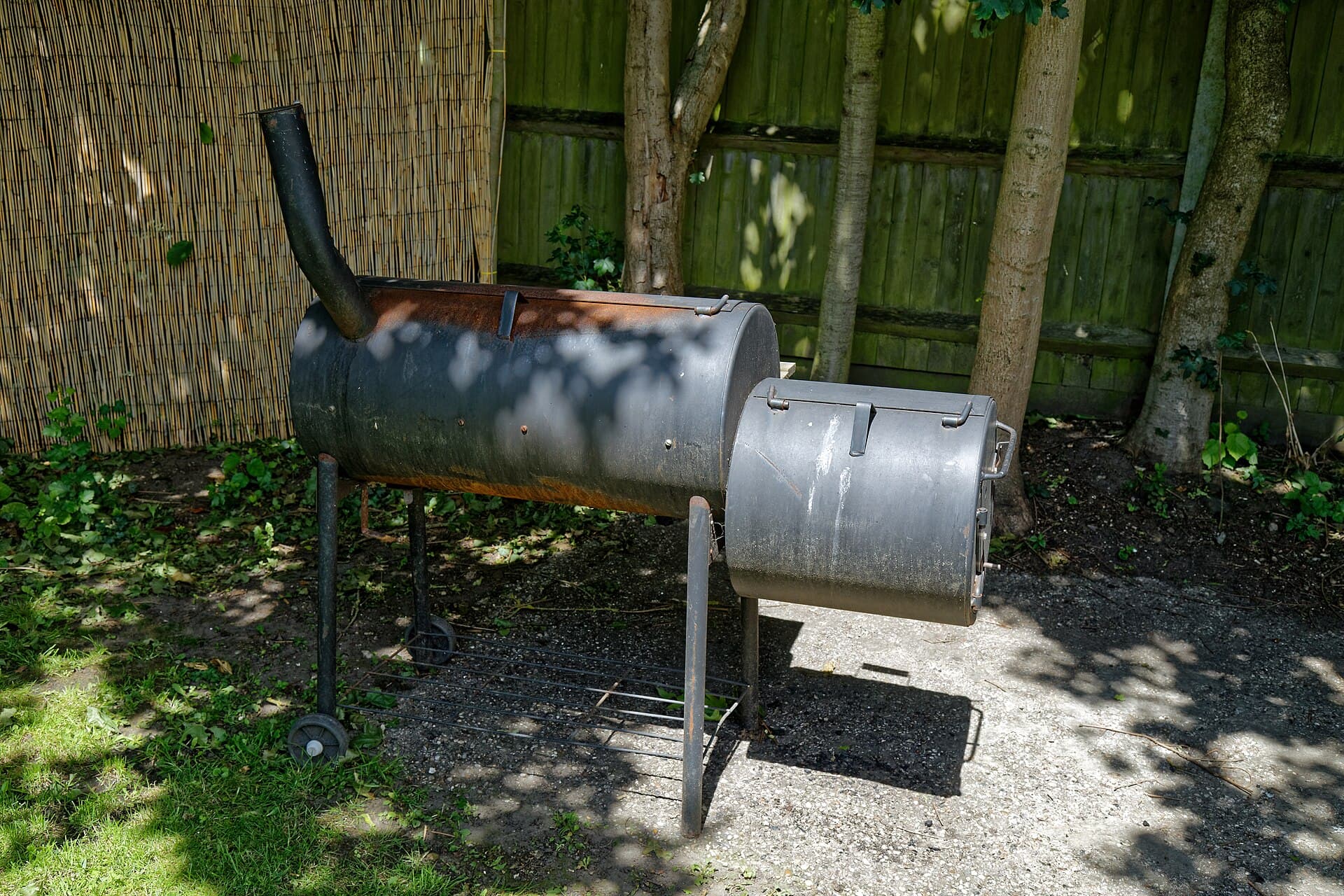
Storing a barbecue through the wet season
The Top End build-up and east-coast summer storms rust a barbecue faster than a winter in Melbourne. Clean it, dry it, keep the cover honest, and do not trap a wet machine in plastic.
Tom Bellear · 6 July 2026
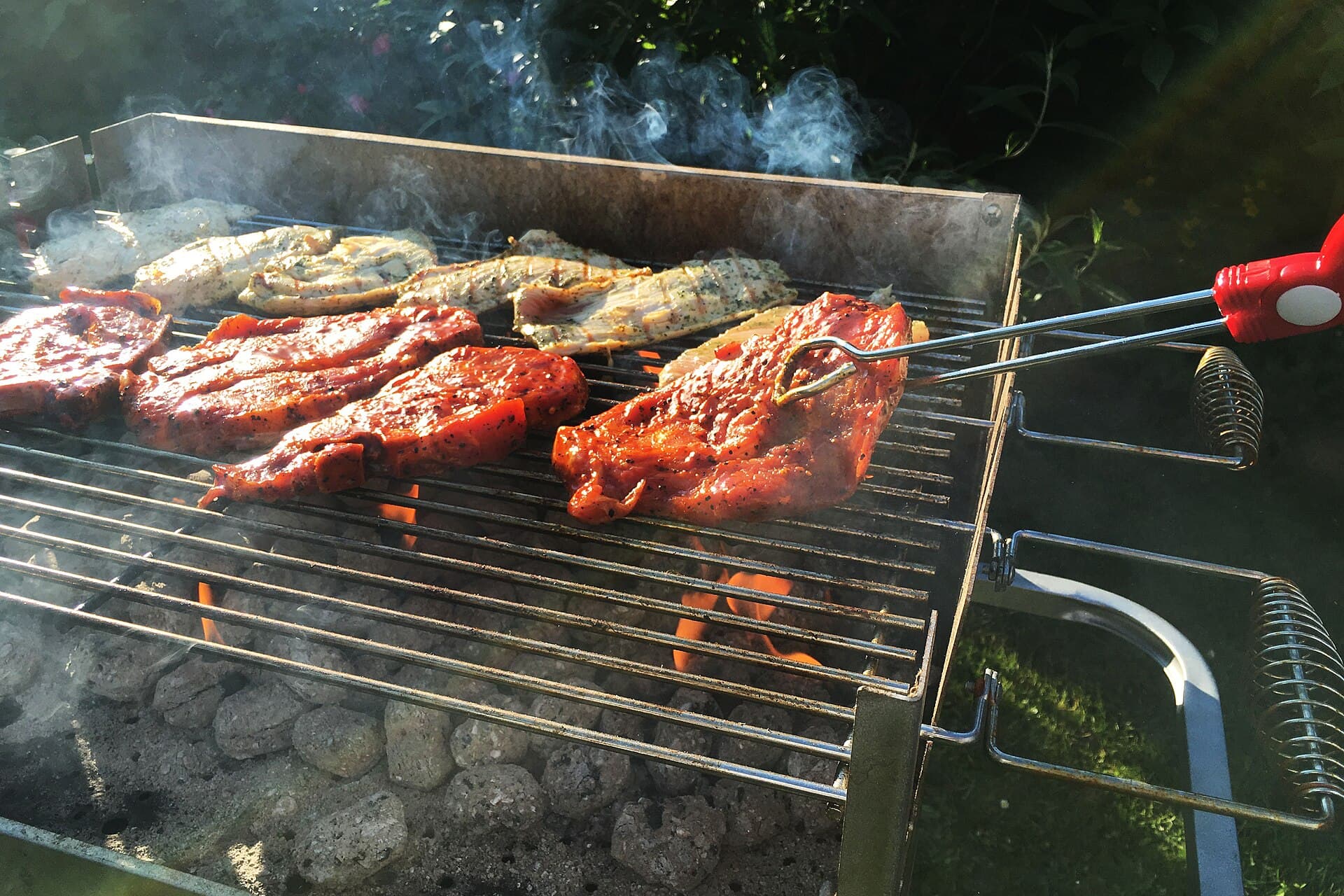
Flare-ups, hot spots and grease fires
A flare-up is fat meeting flame. A hot spot is uneven fire. A grease fire is a tray or tamer that has become fuel. They are related, and they are not fixed with a spray bottle of water.
Mina Rahman · 28 June 2026
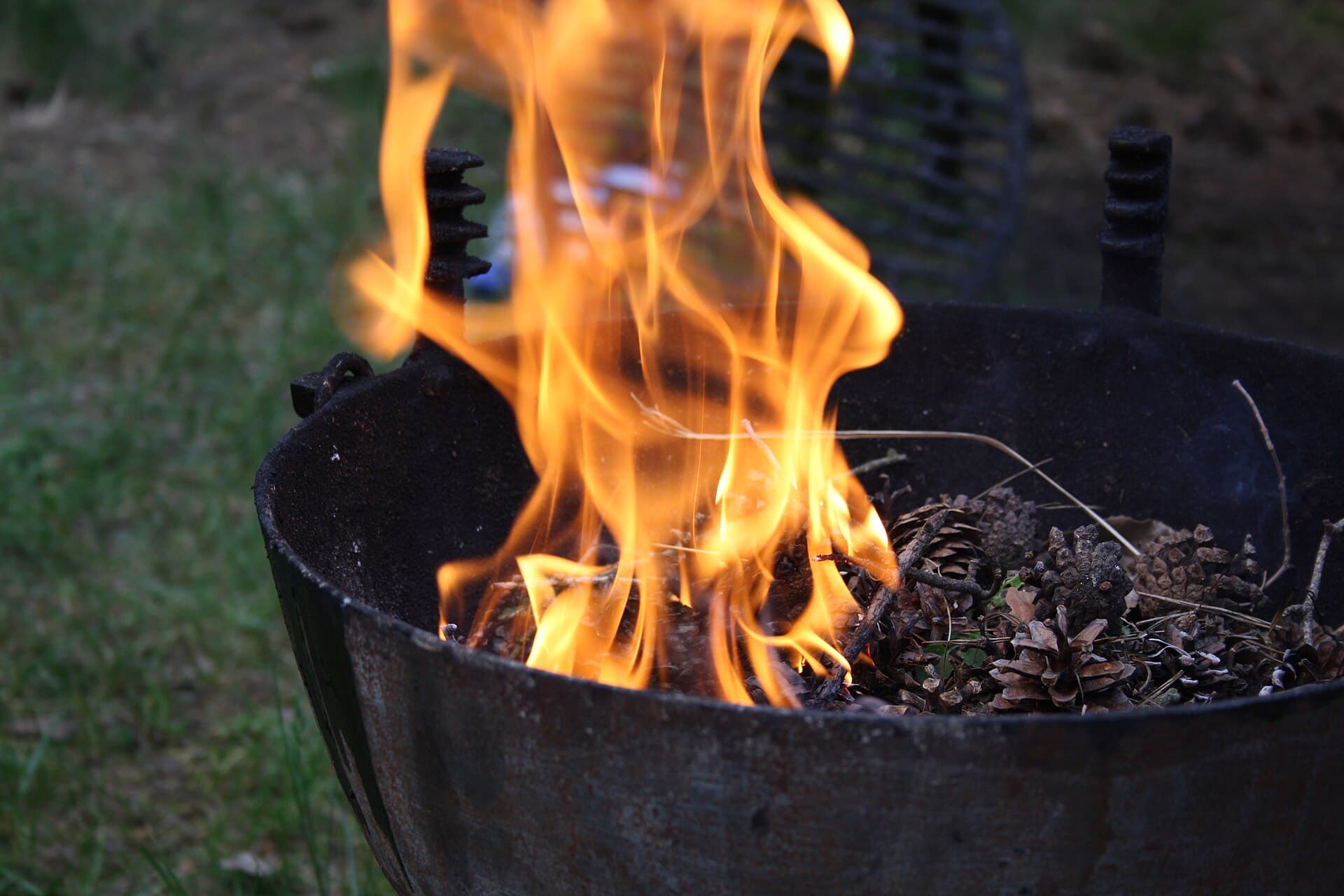
Bushfire season barbecue safety
Total fire bans are local, they change with the day, and a backyard barbecue can be legal, restricted or forbidden. Check the fire service, then decide whether dinner belongs on the grill at all.
Tom Bellear · 20 June 2026